
Ways to Preserve Tomatoes: Freezing, Drying, Canning, and More
This post may contain affiliate links, which means that I may receive a commission if you make a purchase using these links. As an Amazon Associate I earn from qualifying purchases.
Are your tomato plants finally hitting their stride? It starts with a few ripe tomatoes on the windowsill, then a bowl on the counter, and before long, every flat surface in the kitchen seems to be holding tomatoes in one stage of ripeness or another.

A good tomato harvest is a wonderful thing, but it can also feel a little overwhelming when everything ripens at once. If you are wondering how to preserve tomatoes when the garden harvest is all ready at the same time, you have plenty of options.
Tomatoes are one of the most versatile garden crops to preserve, whether you freeze them for later, dry them for concentrated flavor, turn them into sauce, juice, salsa, soup, or barbecue sauce, or can them in jars to stock your pantry for the year ahead.
Tomato season always seems to arrive in waves here. At first, I am waiting impatiently for the first ripe fruit. Then there are just enough tomatoes for fresh salads, burger and sandwich toppings, and a small batch of fresh salsa. Before long, the bowls and baskets on the counter are overflowing with tomatoes ripening faster than we can use them.
Whether you have a small basket of cherry tomatoes or several baskets of paste tomatoes, this guide will walk you through the best ways to preserve tomatoes and help you decide what to do with your harvest. You will find quick options for freezing and drying, fresh tomato recipes to enjoy right away, and safe, tested canning recipes for preserving tomatoes at home.
Start with Fresh, Ripe Tomatoes
The best preserved tomatoes begin with good-quality fruit. Choose ripe, sound tomatoes that are free from mold, decay, insect damage, or soft spoiled spots. A few blemishes or cracks can be trimmed away for freezing, cooking, or drying, but tomatoes used for canning should be in good condition and processed according to a tested recipe.
Different types of tomatoes work better for different preserving methods:
- Paste tomatoes, such as Roma, San Marzano, Amish Paste, and similar varieties, have meaty flesh and fewer seeds, making them ideal for sauces, paste, salsa, and drying.
- Slicing tomatoes are juicier and work well for crushed tomatoes, juice, puree, soup, and recipes where the extra liquid will be cooked down.
- Cherry and grape tomatoes are great for freezing, roasting, drying, and adding to sauces, though they can be time-consuming to peel for canning recipes.
- Mixed tomatoes can be used in many sauces and cooked recipes, especially when you are preserving what the garden gives you.
If you are still planning your garden, be sure to visit my guide on How to Grow Tomatoes for tips on starting, planting, supporting, and caring for healthy tomato plants.

This guide focuses mostly on preserving ripe tomatoes, but if frost is coming and you still have unripe tomatoes on the vines, see What to Do with Green Tomatoes Before Frost for tips on ripening, using, and preserving green tomatoes.
Quick Ways to Preserve Tomatoes
When the tomatoes are coming in faster than you can keep up, you do not always have to pull out the canning equipment right away. Freezing and drying are two simple ways to preserve tomatoes with very little prep.
These methods are especially helpful when you only have a small harvest at a time, or when you need to buy yourself a little breathing room before tackling a larger canning project.
Freeze Tomatoes for Later
Freezing is one of the easiest ways to preserve tomatoes. You can freeze them whole, chopped, crushed, or cooked into sauce. Frozen tomatoes are not the same texture as fresh tomatoes once thawed, but they are perfect for cooking.

Use frozen tomatoes later in soups, stews, chili, pasta sauce, casseroles, and other cooked dishes. You can also freeze tomatoes during the busy harvest season and turn them into sauce or canning recipes later when you have more time.
Freezing is a good option when:
- You have ripe tomatoes but not enough for a full canning batch.
- You need a quick way to save tomatoes before they spoil.
- You want to build up enough tomatoes for sauce.
- You are not ready to can yet.
- You want tomatoes for winter cooking.
- Learn the full process here: How to Freeze Tomatoes.
Dry Tomatoes for Concentrated Flavor
Drying tomatoes removes moisture and concentrates their sweet, tangy flavor. Homemade dried tomatoes are delicious tucked into pasta dishes, grain bowls, salads, pizza, sandwiches, soups, and homemade breads.
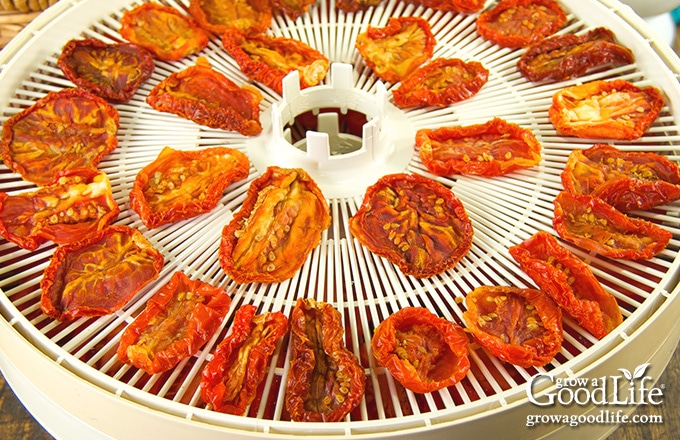
You can dry tomatoes in a food dehydrator, oven, or by using the sun-drying method if your climate is hot, dry, and suitable for safe drying. Paste tomatoes are especially good for drying because they are meaty and contain less moisture, but cherry tomatoes and other small tomatoes also dry beautifully.
Dried tomatoes can be stored as-is in airtight jars, frozen for longer storage, or packed in oil for refrigerator storage when prepared safely. Since oil creates an oxygen-free environment, dried tomatoes packed in oil should not be stored at room temperature unless you are following a tested, approved recipe.
- Learn how to make them here: Homemade Sun Dried Tomatoes.
Canning Tomatoes Safely
Canning is a wonderful way to turn a big tomato harvest into shelf-stable pantry staples, but it is important to follow tested recipes and current safety guidelines.

Many tested tomato canning recipes require bottled lemon juice, citric acid, or vinegar to ensure the finished product is safe for water bath canning. This is why it is important not to guess, reduce acid, change vegetable ratios, thicken salsas, or create your own canning recipes without reliable guidance.
Always follow the recipe directions for:
- Whether the recipe is water bath canned or pressure canned
- Ingredient proportions
- The type and amount of acid added
- Jar size
- Headspace
- Processing time
- Elevation adjustments
Some tomato recipes can be safely processed in a water bath canner when properly acidified. Others require a pressure canner because they contain low-acid vegetables, meat, or thicker mixtures that need higher processing temperatures for safe shelf storage.
If you are new to home canning, these beginner guides will walk you through the equipment, steps, and safety basics:
Water Bath Canning Recipes for Tomatoes
Water bath canning is used for high-acid foods and properly acidified tomato recipes. Many plain tomato products, sauces, salsas, juice, and condiments can be water bath canned when you follow a tested recipe exactly.

The recipes below are grouped by how you may want to use your tomatoes later, from simple pantry staples to ready-to-serve sauces, soups, salsas, and condiments.
Plain Tomatoes, Juice, and Puree
Plain tomato products are some of the most useful jars to have on the pantry shelf. They give you a flexible base for soups, stews, chili, sauces, casseroles, and weeknight meals.
Canning Crushed Tomatoes
Crushed tomatoes are one of the most versatile ways to preserve tomatoes. They are lightly cooked, packed into jars, and canned so they are ready to use in soups, sauces, stews, chili, and casseroles.
This is a great option if you want a simple tomato product without added seasonings. You can season the tomatoes later depending on how you plan to use them.
- Recipe: Canning Crushed Tomatoes
Canning Tomato Puree
Tomato puree is smooth, simple, and useful for building sauces, soups, and other cooked dishes. It is thicker than tomato juice but not as heavily cooked down as a finished sauce.
If you like having a basic tomato base that can go in many directions, tomato puree is a good pantry staple.
- Recipe: Canning Tomato Puree
Canning Tomato Juice
Tomato juice is a classic way to preserve juicy tomatoes. Use it for drinking, soups, chili, braising liquid, vegetable juice blends, or adding tomato flavor to recipes throughout the year.
This is a helpful option when you have tomatoes that are too juicy for thick sauce but perfect for extracting flavor.
- Recipe: Canning Tomato Juice
Stewed Tomatoes for Water Bath Canning
Stewed tomatoes are a convenient pantry ingredient made with tomatoes, vegetables, and seasonings. They are handy for soups, casseroles, pasta dishes, rice, chili, and skillet meals.
This water bath version follows a tested recipe with the correct acidity and processing instructions.
Canning Tomatoes: Whole or Halved Packed in Water
Whole or halved tomatoes are one of the simplest ways to preserve tomatoes in jars. They are packed in water and canned so you can use them later in soups, sauces, stews, and other cooked recipes.
This method is especially useful when you want tomatoes that are close to plain and flexible for many different meals.
Tomato Vegetable Juice Canning Recipe
Tomato vegetable juice is a flavorful blend of tomatoes and vegetables that can be enjoyed as a drink or used as a base for soups, stews, sauces, and cooking liquids.
It is a good option if you want something more flavorful than plain tomato juice while still preserving a useful pantry ingredient.
Tomato Sauces for the Pantry
If you use a lot of tomato sauce in your kitchen, canning sauce is one of the most satisfying ways to preserve a tomato harvest. Tomato sauces can be plain, seasoned, roasted, or blended with herbs and vegetables depending on the recipe.
Sauce recipes are also a great way to use paste tomatoes, because they cook down more quickly and create a thicker finished product.

Small Batch Tomato Sauce for Canning
Small batch tomato sauce is perfect when you do not have a mountain of tomatoes at one time. It lets you preserve a manageable amount without committing to an all-day sauce project.
Use this sauce as a simple base for pasta, soups, stews, casseroles, and other meals.
Tomato Basil Sauce Canning Recipe
Tomato basil sauce is a simple, flavorful pantry sauce made with tomatoes and basil. It is a nice choice when you want a ready-to-use sauce with a little garden-fresh flavor already built in.
Use it for pasta, lasagna, pizza, meatball subs, or as a base for soups and casseroles.
Oven-Roasted Tomato Sauce Canning Recipe
Roasting tomatoes before making sauce deepens their flavor and helps reduce some of the moisture before the sauce is cooked down. This gives the finished sauce a rich, savory flavor that is wonderful in winter meals.
This is a good recipe for paste tomatoes, mixed tomatoes, or those slightly imperfect tomatoes that are still sound and safe to use.
Seasoned Tomato Sauce Recipe for Home Canning
Seasoned tomato sauce is a classic pantry staple made with tomatoes, vegetables, herbs, and spices. It is a convenient sauce to have ready for quick meals when you want more flavor than plain tomato sauce.
Use it for pasta, baked dishes, soups, and anywhere you would reach for a jar of tomato sauce.
Pizza Sauce Canning Recipe
Homemade pizza sauce is a great way to preserve tomatoes for pizza nights, calzones, breadsticks, and quick appetizers. This sauce is thicker and more seasoned than plain tomato sauce, so it is ready to spread right from the jar.
If your family makes homemade pizza often, this is a useful recipe to keep stocked in the pantry.
- Recipe: Pizza Sauce Canning Recipe
Salsa, Soup, and Condiments
Tomatoes can also be preserved as ready-to-enjoy recipes, including salsa, soup, and barbecue sauce. These jars are especially handy because much of the chopping, cooking, and seasoning is already done.
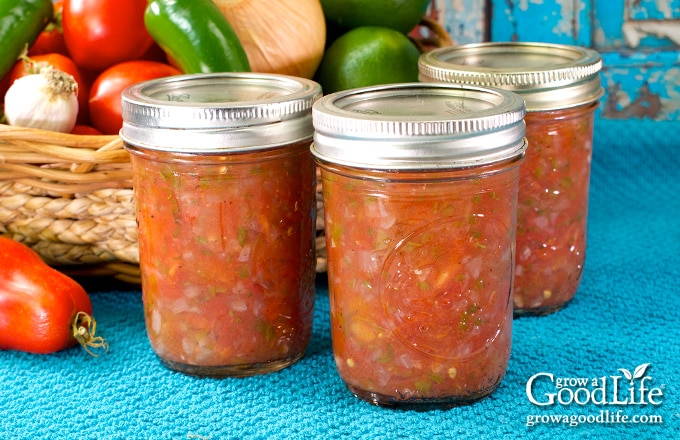
When canning salsa, soup, and condiments, follow the recipe exactly. These recipes often include vegetables, peppers, onions, herbs, spices, sugar, vinegar, or other ingredients that affect acidity, density, and processing safety.
Roasted Tomato Soup Canning Recipe
Roasted tomato soup is a comforting way to preserve the flavor of ripe summer tomatoes. Roasting adds depth, while canning gives you ready-to-heat jars for cooler days.
Serve it with grilled cheese, crusty bread, or a simple salad for an easy pantry meal.
Tomato Jalapeño Salsa Canning Recipe
Tomato jalapeño salsa is a flavorful way to preserve tomatoes with a little heat. It is great for serving with tortilla chips, spooning over tacos, adding to burrito bowls, or using as a quick flavor boost in recipes.
Zesty Salsa Recipe for Canning
Zesty salsa is a classic tomato salsa made for home canning. It is a good option when you want a versatile salsa with tomatoes, peppers, onions, and seasonings.
Keep jars on hand for snacks, quick meals, taco night, and adding bright tomato flavor to cooked dishes.
- Recipe: Zesty Salsa Recipe for Canning
Restaurant Style Salsa Canning Recipe
Restaurant style salsa has a smoother, more blended texture than chunky salsa. It is perfect if you like scoopable salsa for chips, tacos, burritos, and nachos.
This is a nice option for using tomatoes when you want a pantry salsa that tastes more like the jars served at your favorite Mexican restaurant.
Fire Roasted Salsa Canning Recipe
Fire roasted salsa brings smoky flavor to the pantry. Roasting or charring the tomatoes and peppers adds depth and complexity before the salsa is canned.
This is a flavorful choice for taco night, grilled meats, rice bowls, and winter meals that need a little summer brightness.
Homemade Barbecue Sauce Canning Recipe
Tomatoes are also a great base for homemade barbecue sauce. This recipe turns tomatoes into a sweet, tangy, flavorful sauce that can be used for grilling, slow cooker meals, sandwiches, meatloaf, and more.
Canning barbecue sauce is a great way to preserve tomatoes in a form that is ready to use beyond pasta and salsa.
Pressure Canning Recipes with Tomatoes
Some tomato recipes need to be processed in a pressure canner. This is usually because they include low-acid vegetables, meat, or ingredient combinations that are not safe for water bath canning unless specifically acidified and tested for that method.
A pressure canner reaches higher temperatures than a boiling water bath canner, making it suitable for low-acid foods and recipes that require pressure processing.
If you are new to pressure canning, be sure to follow a tested recipe carefully and use the correct pressure for your canner type and elevation.

Pressure Canning Stewed Tomatoes
Pressure canned stewed tomatoes are a useful pantry ingredient made with tomatoes, celery, onions, peppers, and seasonings. Because the recipe includes low-acid vegetables, it is processed in a pressure canner.
Use stewed tomatoes in soups, casseroles, chili, rice dishes, and skillet meals.
- Recipe: Pressure Canning Stewed Tomatoes
Pressure Canning Zucchini with Tomatoes
Zucchini and tomatoes are two crops that often arrive at the same time in the summer garden. This pressure canning recipe combines them into a useful pantry ingredient for soups, stews, sauces, casseroles, and side dishes.
Because zucchini is a low-acid vegetable, this recipe must be pressure canned.
Rotel-Style Tomatoes and Green Chilies Canning Recipe
This recipe preserves tomatoes with green chilies for a pantry staple similar to the familiar cans used in dips, soups, casseroles, chili, Tex-Mex recipes, and skillet meals.
It is a great way to preserve both tomatoes and peppers in one useful jar.
How to Can Spaghetti Sauce With a Pressure Canner
Spaghetti sauce made with vegetables and seasonings is a wonderful pantry staple, but it needs the right canning method for safe storage. This recipe explains how to can spaghetti sauce with a pressure canner.
Having jars of homemade spaghetti sauce on the shelf makes weeknight meals much easier during the busy months ahead.
Other Ways to Use Up Fresh Tomatoes
Not every tomato project has to be shelf-stable. Sometimes the best way to handle a flush of ripe tomatoes is to turn them into something fresh, simple, and ready to enjoy now. These recipes are especially helpful when you have tomatoes that need to be used quickly, but you do not have the time or enough tomatoes for a full canning project.
These fresh tomato recipes are not intended for canning, but they are wonderful ways to enjoy the harvest while it is at its peak.
Fresh Summer Tomato Sauce
This fresh summer tomato sauce is a simple way to turn ripe garden tomatoes into an easy meal. It is perfect for spooning over pasta, serving with crusty bread, or using as a quick sauce when you want the bright flavor of fresh tomatoes without a full canning project.
- Recipe: Fresh Summer Tomato Sauce
Crockpot Tomato Sauce with Fresh Tomatoes
If you want sauce without standing over the stove, crockpot tomato sauce is a helpful way to use a larger harvest. The slow cooker gently cooks the tomatoes down while you work on other things, making it a good option for busy tomato-season days.
Italian Salsa Cruda Raw Tomato Sauce
Italian salsa cruda is a fresh, no-cook tomato sauce made with ripe tomatoes, garlic, basil, olive oil, and seasonings. It is a delicious way to enjoy peak-season tomatoes when they are sweet, juicy, and flavorful.
- Recipe: Italian Salsa Cruda
Garden Fresh Salsa
Fresh salsa is one of the easiest ways to enjoy tomatoes straight from the garden. Chop ripe tomatoes with peppers, onions, cilantro, lime juice, and seasonings for a quick salsa to serve with chips, tacos, burrito bowls, grilled meats, or eggs.
- Recipe: Garden Fresh Salsa
Grilled Tomato Salsa
Grilling tomatoes, peppers, and onions adds smoky flavor to fresh salsa. This is a great recipe when you want something a little different from classic fresh salsa, especially during summer cookout season.
- Recipe: Grilled Tomato Salsa Recipe
Which Tomato Preserving Method Should You Choose?
With so many options, it can be hard to decide where to begin. Here are some simple ways to choose the best method for your harvest.
If You Need Something Fast
Freeze whole tomatoes. This is the easiest way to save ripe tomatoes before they spoil. You can always turn them into sauce, soup, or cooked meals later.
- Best option: How to Freeze Tomatoes
If You Have Paste Tomatoes
Make sauce, pizza sauce, salsa, or dried tomatoes. Paste tomatoes are meaty, flavorful, and cook down more efficiently than juicy slicing tomatoes.
Good options:
- Small Batch Tomato Sauce for Canning
- Tomato Basil Sauce Canning Recipe
- Oven-Roasted Tomato Sauce Canning Recipe
- Pizza Sauce Canning Recipe
- Homemade Sun Dried Tomatoes
If You Have Juicy Slicing Tomatoes
Make crushed tomatoes, tomato juice, tomato puree, soup, or cooked sauces. Juicy tomatoes may take longer to cook down into thick sauce, but they are excellent for recipes where the extra liquid is useful.
Good options:
- Canning Crushed Tomatoes
- Canning Tomato Juice
- Canning Tomato Puree
- Roasted Tomato Soup Canning Recipe
If You Want Ready-to-Use Pantry Meals
Choose recipes that are already seasoned and ready to heat or serve, such as soup, spaghetti sauce, salsa, barbecue sauce, or tomato basil sauce.
Good options:
- Roasted Tomato Soup Canning Recipe
- How to Can Spaghetti Sauce With a Pressure Canner
- Tomato Basil Sauce Canning Recipe
- Homemade Barbecue Sauce Canning Recipe
If You Want Snacks and Condiments
Make salsa, barbecue sauce, or dried tomatoes. These recipes preserve tomatoes in a way that can be enjoyed as part of snacks, appetizers, and quick meals.
Good options:
- Tomato Jalapeño Salsa Canning Recipe
- Zesty Salsa Recipe for Canning
- Restaurant Style Salsa Canning Recipe
- Fire Roasted Salsa Canning Recipe
- Homemade Barbecue Sauce Canning Recipe
If You Are New to Preserving Tomatoes
Start with freezing, drying, or a simple tested canning recipe. Crushed tomatoes, tomato juice, tomato puree, or small batch tomato sauce are good beginner-friendly choices if you are comfortable with water bath canning.
Before changing ingredients in any tomato canning recipe, read: How to Safely Modify Tomato Canning Recipes.
If You Want to Enjoy Them Fresh
Not every tomato harvest needs to go into jars or the freezer. If you have ripe tomatoes on the counter and want to enjoy them right away, make a fresh sauce, salsa, or no-cook tomato recipe.
Good options:
- Fresh Summer Tomato Sauce
- Crockpot Tomato Sauce with Fresh Tomatoes
- Italian Salsa Cruda
- Garden Fresh Salsa
- Grilled Tomato Salsa Recipe
Tips for Managing a Big Tomato Harvest
When the harvest comes in all at once, a little planning can make tomato season feel much more manageable.
Sort Tomatoes by Ripeness
Keep fully ripe tomatoes separate from those that still need a few days. Use the ripest tomatoes first for freezing, sauce, juice, or cooking. Slightly underripe tomatoes can finish ripening on the counter.
Check your tomatoes daily and remove any that begin to spoil so they do not affect the rest of the harvest.
Don’t Forget About Green Tomatoes
As the season winds down, you may still have plenty of green tomatoes on the vines. Some can be brought indoors to ripen, while others can be used in recipes or preserved before frost. Since unripe tomatoes have a different texture and flavor than ripe tomatoes, they are best handled separately from the ripe tomato harvest.
For ideas on ripening, cooking, and preserving them, see: What to Do with Green Tomatoes Before Frost.
Preserve in Small Batches
You do not need to process the entire harvest in one day. Freeze tomatoes as they ripen, make small batches of sauce, or dry a tray at a time. Small batches are easier to manage and help prevent waste.
Match the Tomato to the Recipe
Paste tomatoes are best for thick sauces, salsa, and drying. Juicy slicing tomatoes are great for juice, crushed tomatoes, puree, and soup. Cherry tomatoes can be frozen, roasted, or dried.
You can often mix tomato types in cooked recipes, but expect the cooking time and finished texture to vary depending on how juicy the tomatoes are.
Freeze Now, Can Later
Freezing tomatoes is one of my favorite ways to keep up with the harvest. When enough tomatoes have accumulated, you can thaw them, drain off some of the liquid if needed, and cook them into sauce or other recipes.
This is especially helpful when you have only a few tomatoes ripening each day.
Do Not Can Spoiled or Frost-Damaged Tomatoes
Use sound, ripe tomatoes for canning. Spoiled, moldy, or frost-damaged tomatoes may have changes in acidity, texture, and quality that make them unsuitable for home canning.
When in doubt, choose another preservation method for imperfect but still safe tomatoes, such as trimming and cooking them immediately, or compost tomatoes that show signs of spoilage.
Keep Safety Notes with Your Recipes
If you preserve tomatoes every year, keep notes on which recipes your family uses most, how many pounds of tomatoes you started with, how many jars you made, and which adjustments were safe. This makes it much easier to plan the next harvest season.

Frequently Asked Questions About Preserving Tomatoes
Preserving tomatoes is simple once you choose the right method, but it is normal to have questions about freezing, drying, canning safety, and which tomatoes work best for each recipe. Here are quick answers to some common questions to help you make the most of your harvest safely and confidently.
Keep the Tomato Harvest Going
A ripe tomato harvest is one of the best rewards of the summer garden, and preserving it lets you enjoy that flavor long after the plants are gone. Whether you freeze a few tomatoes at a time, dry trays of cherry tomatoes, simmer a pot of sauce, or fill your pantry shelves with salsa, soup, juice, and stewed tomatoes, every jar and freezer bag is a little bit of summer saved for later.
Start with the method that fits your harvest and your schedule. Freeze tomatoes when life is busy, dry them when you want bold flavor in small packages, and choose tested canning recipes when you are ready to stock the pantry.
With a little planning, even an overwhelming tomato harvest can become sauces for winter pasta nights, salsa for quick snacks, soup for chilly days, and simple pantry staples for homemade meals all year long.
