
How to Peel Tomatoes for Canning, Salsa, and Sauce
This post may contain affiliate links, which means that I may receive a commission if you make a purchase using these links. As an Amazon Associate I earn from qualifying purchases.
Learn how to peel tomatoes easily using the blanching method. This step-by-step guide shows how to remove tomato skins and seeds for canning, salsa, sauce, soups, and freezing.

Peeling tomatoes is one of those simple kitchen skills that comes in handy during tomato season, especially if you plan to can salsa, sauce, crushed tomatoes, or whole tomatoes. Most tested tomato canning recipes call for peeled tomatoes because the recipes were developed with the skins removed, and following those preparation steps helps ensure the best safety and quality.
Even if you are not canning, tomato skins can also become tough after cooking, especially in smooth sauces, soups, and salsas. Removing the peels gives your finished recipe a better texture.
The easiest way to peel tomatoes is to blanch them briefly in boiling water, cool them quickly in ice water, and then slip off the skins. This step-by-step guide will show you how to peel and seed tomatoes so they are ready to use in your favorite canning recipes, cooked dishes, or freezer projects.
Why Peel Tomatoes?
Tomato skins don’t break down very well during cooking. Even after simmering, the peels can remain tough, papery, or curled in sauces, soups, salsas, and crushed tomatoes. Removing the skins gives your finished recipe a smoother, more pleasant texture.
Seeding tomatoes is optional for some recipes, but helpful for others. The seeds and surrounding gel add extra moisture, which can make fresh salsa or sauce thinner and increase the time needed to cook it down. If your recipe calls for seeded tomatoes, removing the seeds helps create a thicker, less watery finished product.
Do You Have to Peel Tomatoes for Canning?
For home canning, always prepare tomatoes as directed in the tested recipe you are using. Most tomato canning recipes call for removing the skins before the tomatoes are packed into jars or cooked into salsa, sauce, or juice.
If a canning recipe says to peel the tomatoes, don’t skip that step. The recipe was developed and tested with peeled tomatoes, and following the preparation instructions helps ensure the best quality and safe results.
Using a food strainer or food mill is helpful when working with a large amount of tomatoes for sauce or juice because it separates the skins and seeds from the pulp. But if you don’t have a food strainer, or if you want to keep the tomatoes whole, crushed, stewed, or chunky for salsa, blanching and peeling them by hand is the best method.
How Long Do You Blanch Tomatoes to Peel Them?
Blanch tomatoes in boiling water for 30 to 60 seconds, or just until the skins begin to wrinkle, crack, and loosen. Then immediately transfer them to a bowl of ice water to stop the cooking and cool the tomatoes enough to handle.
Once cooled, the skins should slip off easily. If a few spots cling to the tomato, use a small paring knife to lift and remove the stubborn pieces.
Best Tomatoes for Peeling
Choose ripe, firm tomatoes that feel heavy for their size and have good color and flavor. Paste tomatoes, such as San Marzano or Roma tomatoes, are especially useful for salsa, sauce, and canning because they are meatier and have less juice and fewer seeds than slicing tomatoes.
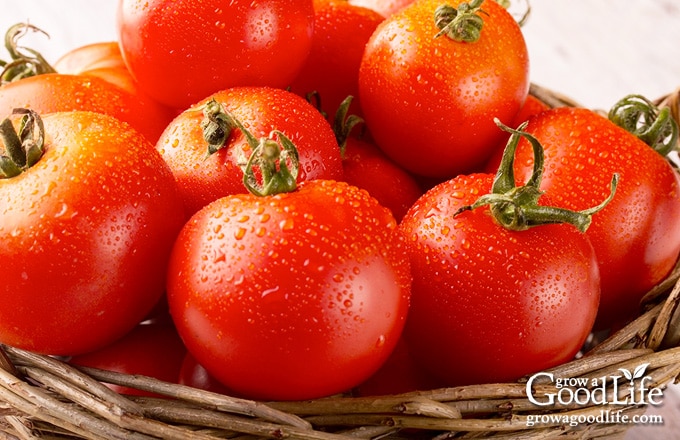
Avoid tomatoes that are overripe, moldy, bruised, or beginning to spoil, especially if you are preparing them for canning. Very soft tomatoes can become mushy when blanched and may be harder to peel cleanly.
You can peel any type of tomato using the blanching method, including paste tomatoes, slicing tomatoes, and cherry tomatoes. Smaller tomatoes may only need a few seconds in the boiling water, while larger or thicker-skinned tomatoes may need closer to 60 seconds before the skins loosen.
Steps to Peel and Seed Tomatoes
The easiest way to remove tomato skins is to blanch the tomatoes briefly in boiling water, then cool them quickly in ice water. The heat loosens the skins, and the cold water stops the cooking so the tomatoes are easier to handle.
You can find a full, printable recipe at the end of the post, but here are the illustrated step-by-step directions for blanching and peeling tomatoes.
Step 1: Gather the Kitchen Equipment
You only need a few basic kitchen tools to peel tomatoes:
- Small paring knife
- Large pot or saucepan
- Large bowl for ice water
- Slotted spoon, spider, or strainer
- Small spoon, if removing seeds
Step 2: Prepare the Tomatoes
Wash the tomatoes well under clean running water. Use a knife to remove the core from the stem end, then cut a shallow “X” in the bottom of each tomato.
The small cut helps the skin loosen during blanching and gives you a place to start peeling once the tomatoes are cool.

Step 3: Blanch the Tomatoes
Bring a large pot of water to a full rolling boil over high heat. While the water is heating, fill a large bowl with ice water and set it nearby.
Carefully lower the tomatoes into the boiling water and blanch for 30 to 60 seconds, or until the skins begin to wrinkle, split, or loosen. If you have a lot of tomatoes, work in small batches so the water returns to a boil quickly, and the tomatoes heat evenly.

Step 4: Cool the Tomatoes in Ice Water
Use a slotted spoon to remove the tomatoes from the boiling water and immediately transfer them to the bowl of ice water.
Let the tomatoes cool for a few minutes, or until they are comfortable to handle. The ice water stops the cooking and helps the skins pull away from the flesh.

Step 5: Peel the Tomatoes
Once the tomatoes are cool enough to handle, lift the loosened skin near the “X” and slip it off with your fingers. The peels should come away easily.
If any stubborn pieces remain, use a small paring knife to lift or trim them away.

Step 6: Remove the Seeds, If Needed
Some recipes call for peeled and seeded tomatoes, while others only require peeled tomatoes. Follow the recipe you are using.
To remove the seeds, cut the tomato in half across the equator. Hold each half over a bowl, then gently squeeze or scoop out the seeds and gel with a spoon.
Step 7: Use, Freeze, or Can the Tomatoes
Your peeled tomatoes are now ready to use in your recipe. Depending on what you are making, you can leave them whole, crush them, chop them, quarter them, purée them, or remove the seeds.
Use the prepared tomatoes right away, freeze them for later, or continue with your tested canning recipe.

That’s it! Your peeled tomatoes are ready to use in salsa, sauce, soup, crushed tomatoes, whole tomato canning recipes, or freezer prep. If your recipe calls for seeded tomatoes, remove the seeds before chopping, crushing, or packing the tomatoes into jars.
Recipes That Use Peeled Tomatoes
Now that you know how to peel tomatoes, here are some tomato canning recipes that use peeled tomatoes:
- Tomato Jalapeno Salsa
- Zesty Salsa
- Canning Whole Tomatoes
- Canning Crushed Tomatoes
- Barbecue Sauce
- Tomato and Vegetable Juice
- Seasoned Tomato Sauce
- Plain Tomato Sauce
- Stewed Tomatoes and Zucchini
- Stewed Tomatoes and Vegetables
- Rotel-Style Tomatoes and Chilies
New to home canning? Start with my Water Bath Canning for Beginners and Pressure Canning for Beginners guides.
Frequently Asked Questions About Peeling Tomatoes for Canning
Peeling tomatoes is simple once you know the basic blanching method, but a few questions often come up when preparing tomatoes for salsa, sauce, freezing, or canning.
How to Peel Tomatoes
Ingredients
- 1 pound Fresh tomatoes
- Ice water
Instructions
- Wash the tomatoes well under running water.
- Bring a large pot of water to a boil over high heat.
- While the water is heating, fill a large bowl with ice water.
- Use a knife to remove the core from the stem end of each tomato, then cut a shallow “X” in the bottom.
- Carefully lower the tomatoes into the boiling water and blanch for 30 to 60 seconds, or until the skins begin to wrinkle, crack, or loosen.
- Remove the tomatoes from the boiling water with a slotted spoon and transfer them to the bowl of ice water.
- Once the tomatoes are cool enough to handle, slip off the skins. Use a small paring knife to remove any stubborn pieces.
- Remove the seeds, if your recipe calls for it. To seed tomatoes, cut each tomato in half across the equator, hold each half over a bowl, and gently squeeze or scoop out the seeds and gel with a spoon.
- Use the peeled tomatoes as directed in your recipe. They can be left whole, crushed, chopped, quartered, puréed, or frozen for later.
Notes
Nutrition
Ready for Salsa, Sauce, and Canning
Once you know how to peel tomatoes, it becomes much easier to work through a basket of fresh tomatoes during canning season. A quick dip in boiling water, a chill in ice water, and the skins slip right off, leaving you with tomatoes that are ready for salsa, sauce, soups, freezing, or your favorite canning recipes.
If you are peeling tomatoes for home canning, always follow the tested recipe you are using for how the tomatoes should be prepared, measured, and processed. Some recipes call for peeled and chopped tomatoes, while others require removing the skins and seeds.
New to canning? Start with my Water Bath Canning for Beginners, Pressure Canning for Beginners guides for the basics, and review How to Safely Modify Tomato Canning Recipes before making changes to tested tomato recipes. You may also find How to Freeze Tomatoes for Cooking or Canning Later helpful if you want to save your harvest and preserve it another day.

I knew how to do all the above, but you’ve saved me a lot of energy in putting it in writing for my grown boys. I’m teaching them how to can and preserve food. This pandemic has brought home to them how useful all the advice I have them over the years has been.
From the bottom of my heart, thank you.
Iluminameluna, I love how you are teaching your boys how to preserve food. I have a lot of new visitors and thought it would be a good idea to cover the basics.
Useful instructions