How to Grow a Fall Vegetable Garden
This post may contain affiliate links, which means that I may receive a commission if you make a purchase using these links. As an Amazon Associate I earn from qualifying purchases.
A fall vegetable garden is one of the best ways to keep your garden productive after the summer harvest begins to slow down. Many cool-season crops grow beautifully in the milder weather of late summer and autumn, giving you a second chance to enjoy fresh greens, roots, herbs, and brassicas before winter arrives.

It took me a while to find the right timing for planting a fall garden. In my early years, I was so focused on getting the spring garden planted, keeping up with the weeding and watering, supporting those plants as they grew, and then dealing with the abundance of cucumbers, tomatoes, and summer squash once the harvests began coming in. By the time I thought about replanting for fall, it was often too late to take full advantage of the remaining frost-free days.
Over time, I learned that the key to a successful fall garden is planning ahead, just like I do for spring. Fall crops are usually planted in midsummer while the summer garden is still producing. By choosing the right vegetables, planting at the right time, and giving young plants a little extra care during late-summer heat, you can enjoy fresh harvests well into fall.
This guide will walk you through how to plan, plant, and care for a fall vegetable garden, including when to start seeds, which crops to direct sow, how to prepare your beds, and ways to protect your plants from frost.
Why Grow a Fall Vegetable Garden?
Fall gardening is a great way to get more food from the same garden space. Once some of your summer crops are finished, you can replant those empty beds with cool-season vegetables that thrive in shorter days and cooler temperatures.
Many vegetables that struggle in late summer heat grow better in fall. Leafy greens are less likely to bolt, root crops often develop better flavor, and hardy vegetables such as kale, collards, and Brussels sprouts can taste sweeter after a light frost.
Here are some of the biggest benefits of growing a fall vegetable garden:
- Cooler weather is easier on plants and gardeners: Fall gardening is often much more comfortable than working in the heat of summer. Cooler temperatures also reduce stress on young plants once they become established.
- Fewer pests and diseases: Many garden pests are less active as the season winds down. While you may still see cabbage worms, aphids, flea beetles, or slugs, fall gardens often face less pressure than spring and summer plantings.
- Less watering once the weather cools: Seeds and seedlings need consistent moisture to get started, especially during late-summer heat. But once cooler weather arrives, fall crops usually need less frequent watering than summer vegetables.
- Better flavor from cool-season crops: Many fall vegetables taste best when grown in cool weather. Lettuce, spinach, arugula, and other greens are more tender and less bitter, while carrots, kale, and Brussels sprouts can develop sweeter flavor after frost.
- A longer harvest season: With careful planning and a little frost protection, your garden can continue producing fresh food long after summer crops are finished.
When to Start Planning a Fall Vegetable Garden
The most surprising thing about fall gardening is that it doesn’t start in fall. In most areas, fall garden planning begins in summer.
Many fall vegetable crops need to be started or planted while the weather is still warm so they have enough time to mature before the days become too short and cold. If you wait until the air feels like fall, it may be too late for many vegetables to reach harvest size.
Your average first frost date is the best place to begin. Once you know when frost usually arrives in your area, you can count backward to figure out when to start seeds indoors, direct sow outdoors, or transplant seedlings into the garden.
Keep in mind that days to maturity on seed packets are only estimates. Fall crops often grow more slowly as daylight decreases, so it helps to give your plants a little extra time when planning your schedule.
As a general guide:
- Start slower-growing fall crops indoors about 10 to 12 weeks before your first expected frost.
- Direct sow fast-growing crops about 4 to 8 weeks before your first expected frost.
- Plant quick crops later in the season for baby greens, small roots, and fast harvests.
You can find your average first frost date by checking with your local cooperative extension, nearby garden center, experienced local gardeners, or an online frost date tool.
Choosing Vegetables for a Fall Garden
The best vegetables for a fall garden are cool-season crops that can mature before hard frost or continue growing through chilly weather with some protection. These include leafy greens, root crops, scallions, peas, and brassicas such as broccoli, cabbage, kale, and kohlrabi.
Some fall vegetables are best started indoors and transplanted into the garden once space opens up. Others grow quickly from seed and can be direct sown outdoors. A few fast-maturing crops can even be planted later in the season for quick harvests before winter.
For the best results, choose short-season varieties, check the days to maturity on your seed packets, and count backward from your average first frost date. Since growth slows as the days get shorter, give your fall crops extra time whenever possible.
Vegetables to Start Indoors for Fall Harvests
Some fall vegetables need a longer growing season, so starting them indoors gives them a head start. This is especially helpful for brassicas and other crops that take longer to mature.
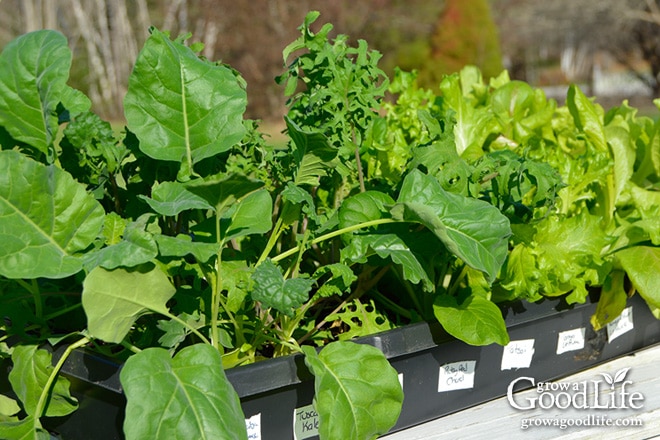
Good vegetables to start indoors for fall include:
- Broccoli
- Brussels sprouts
- Cabbage
- Cauliflower
- Collards
- Kale
- Kohlrabi
- Lettuce
- Pac choi
- Swiss chard
Starting these crops indoors under lights gives you more control of the environment, better germination rates, and early growth. Once the seedlings are large enough and outdoor conditions begin to moderate, you can harden them off and transplant them into garden beds as summer crops finish.
For more details, see: Best Vegetables to Start Indoors for Fall Harvests.
Fall Garden Vegetables to Direct Sow
Many fall crops grow well when seeds are planted directly in the garden. This works especially well for root crops and quick-growing greens that don’t like being transplanted.

Good fall vegetables to direct sow include:
- Arugula
- Beets
- Carrots
- Lettuce
- Mizuna
- Mustard greens
- Radishes
- Spinach
- Tatsoi
- Turnips
Direct sowing works best when the garden bed is prepared, watered well, and kept evenly moist until seeds germinate. Late-summer heat can make germination tricky for some cool-season seeds, so you may need to provide temporary shade or extra moisture.
For a more detailed list, see: Fall Garden Vegetables to Direct Sow.
Quick-Growing Fall Vegetables
If you are getting a late start, focus on crops that mature quickly. Many leafy greens and root crops can be harvested young, which makes them perfect for filling empty spaces later in the season.
Quick-growing fall vegetables include radishes, arugula, baby leaf lettuce, spinach, mustard greens, mizuna, tatsoi, baby kale, green onions, and turnip greens.
These fast crops are especially helpful after garlic, onions, peas, bush beans, cucumbers, or early potatoes are finished. Even if there isn’t enough time for full-sized plants, you may still be able to harvest baby greens, tender leaves, or small roots before winter.
For more ideas, see: 13 Quick Growing Fall Vegetables.
Create a Fall Planting Schedule
A fall planting schedule helps you decide when to start seeds indoors, direct sow outdoors, and transplant seedlings into the garden. It doesn’t have to be complicated. A simple chart, garden notebook, or spreadsheet is enough to keep you organized.
Start with your average first frost date, then work backward for each crop you want to grow.
Step 1: Choose Your Fall Crops
Make a list of the vegetables you want to grow. Include the variety name if you already have seeds, because days to maturity can vary quite a bit from one variety to another.
For example, one cabbage variety may mature in 60 days, while another may need 90 days or more. Choosing short-season varieties can make a big difference in a fall garden.
Step 2: Check the Days to Maturity
Look at the seed packet or plant description for the estimated days to maturity. For direct-sown crops, this usually means the number of days from sowing seed to harvest. For transplants, it often means the number of days from transplanting to harvest.
Fall crops grow more slowly as daylight decreases, so add a little extra time to your schedule when possible. This is especially helpful in northern climates or areas where frost arrives early.
Step 3: Count Backward from Your Frost Date
Once you know your average first frost date and the days to maturity for each crop, count backward to figure out your planting dates.
As a general guide:
- 10 to 12 weeks before first frost: Start slower-growing crops indoors, including broccoli, cabbage, cauliflower, Brussels sprouts, kale, collards, and Swiss chard.
- 6 to 8 weeks before first frost: Transplant sturdy seedlings into the garden as space opens up and direct sow crops such as carrots, beets, turnips, spinach, and lettuce.
- 4 to 6 weeks before first frost: Direct sow fast-growing greens and roots, including arugula, radishes, mustard greens, mizuna, tatsoi, baby lettuce, and spinach.
- 2 to 4 weeks before first frost: Plant quick crops for baby greens or use the space for cover crops, garlic, or garden cleanup.
Step 4: Record Your Planting Dates
Write down your planned sowing and transplanting dates. Then record the actual dates as you plant. This will help you learn what works best in your garden from year to year.
Useful things to track include:
- Seed starting date
- Germination date
- Transplant date
- Direct sowing date
- First harvest date
- Frost date
- Pest pressure
- Varieties that performed well
- Crops that needed more time
Good notes are especially valuable for fall gardening because timing can be a little different in every garden.
Prepare Garden Beds for Fall Planting
Healthy soil gives fall crops the best chance to grow quickly and produce before cold weather settles in. Since many fall vegetables are planted after summer crops, the soil may need a little refresh before planting again.
You don’t have to clear your whole garden at once. Instead, look for spaces where crops have finished or slowed down. Garlic beds, eggplant, peppers, bush type tomatoes, early potatoes, and other summer crops that are finished producing often leave behind open spaces that are perfect for fall planting.
Clear Finished Crops and Weeds
Remove any spent plants, old vines, fallen fruit, and weeds from the planting area. This helps reduce pest and disease problems and gives your fall crops room to grow.
If a summer crop is still healthy and producing, leave it in place. Fall gardening is all about making the most of available space, not replacing the entire summer garden at once.
Add Compost
Work a layer of finished compost into the top few inches of soil before planting. Compost helps replenish nutrients, improves soil structure, and supports healthy root growth.
If your soil is dry, water the bed well before planting. Moist soil is easier to work with and gives seeds and transplants a better start.
Add Organic Fertilizer if Needed
If your soil is low in nutrients or you don’t have enough compost, you can add an organic fertilizer according to the package directions. This can help support leafy growth and strong root development.
Avoid over-fertilizing, especially with root crops. Too much nitrogen can encourage leafy growth at the expense of good root formation.
Smooth and Water the Bed
After adding compost or fertilizer, rake the soil surface smooth. Water the bed deeply before sowing seeds or transplanting seedlings. Starting with evenly moist soil makes it easier to keep seeds damp until they germinate.
Tips for Planting Fall Crops in Summer Heat
One of the trickiest parts of growing a fall vegetable garden is that many fall crops need to be planted while the weather is still hot. Cool-season seeds may germinate poorly in warm soil, and young seedlings can dry out quickly during late-summer heat.
To help seeds sprout and seedlings get established, water the bed well before planting and keep the soil evenly moist until seeds germinate. Sowing in the late afternoon or on a cloudy day can help reduce stress.
You can also use shade cloth, a lightweight row cover, or even a board placed over the seeded area for a few days to help keep the soil cool and moist. Be sure to remove covers as soon as the seeds begin to sprout so the seedlings receive enough light.
Once the plants are growing, add a light layer of mulch around them to help hold moisture, moderate soil temperature, and reduce weed growth.
Planting Your Fall Vegetable Garden
Once your seeds, seedlings, and garden beds are ready, it’s time to plant. Use your fall planting schedule as a guide, but also pay attention to the weather and available garden space.
If the forecast calls for extreme heat, wait for a cooler day if you can. If rain is expected, planting just before a gentle rain can help seeds and transplants settle in.
Avoid planting before heavy storms that may wash seeds away or damage young seedlings.
Transplant Fall Seedlings
Before transplanting seedlings into the garden, harden them off for about a week before transplanting. This helps them adjust to outdoor sunlight, wind, and temperature changes.
To transplant seedlings:
- Water the seedlings before planting.
- Dig a hole slightly larger than the root ball.
- Gently remove the seedling from its container.
- Place it in the hole at the same depth it was growing indoors.
- Firm the soil around the roots.
- Water well after planting.
Give transplants enough space to grow to maturity. Crowded plants compete for water, nutrients, and light, and they are more likely to develop disease problems if airflow is poor.
If the weather is hot and sunny, provide temporary shade for a few days while the plants settle in.
Direct Sow Fall Seeds
For direct-sown crops, prepare the soil and plant seeds at the depth recommended on the seed packet. In hot weather, shallow seeds can dry out quickly, so check the bed often and water gently as needed.
To direct sow fall crops:
- Water the bed before planting.
- Make shallow furrows or planting holes.
- Sow seeds according to packet directions.
- Cover lightly with soil.
- Press the soil gently to ensure good seed contact.
- Water carefully with a gentle spray.
- Keep the soil evenly moist until seeds germinate.
Once seedlings are growing, thin them to the recommended spacing. Thinning is especially important for root crops such as carrots, beets, radishes, and turnips.
For more help, see: How to Direct Sow Seeds.
Caring for a Fall Vegetable Garden
Fall crops are usually low maintenance once they are established, but they still need consistent care to grow well before cold weather arrives.
Water Consistently
Seeds and young seedlings need steady moisture, especially in late summer. Dry soil can prevent germination or cause young plants to struggle.
Once the weather cools, your garden may not need as much water as it did in summer. Check the soil regularly and water deeply when the top few inches feel dry.
Mulch Around Plants
A light layer of organic mulch helps conserve moisture, suppress weeds, and moderate soil temperature. Straw, shredded leaves, grass clippings from an untreated lawn, or chopped plant debris can all work well.
Wait until seedlings are established before mulching directly around them. Tiny seedlings can be smothered if mulch is applied too heavily.
Thin Seedlings
Thinning gives each plant enough room to grow. It can be hard to pull extra seedlings, but crowded plants often stay small or fail to form good roots.
For crops such as lettuce, spinach, arugula, and mustard greens, you can eat the thinnings as baby greens. For root crops, thinning early helps the remaining plants form better roots.
Watch for Pests
Fall gardens often have fewer pest problems than summer gardens, but they are not pest-free. Watch for cabbage worms, flea beetles, aphids, slugs, and other insects.
Check the undersides of leaves regularly, especially on brassicas such as kale, broccoli, cabbage, and collards. Handpick caterpillars when you see them, and use row covers to protect young plants from pests.
Harvest Often
Harvesting encourages many leafy crops to keep producing. Pick outer leaves from lettuce, kale, chard, collards, spinach, and mustard greens as needed, allowing the center of the plant to continue growing.
Root crops can often be harvested small or left in the ground to size up until frost. Just be sure to harvest before the soil freezes solid unless you are protecting the bed with a thick layer of mulch.

Protecting Fall Crops from Frost
As fall progresses, frost protection can help extend your harvest. Many cool-season crops can tolerate chilly weather, and some become sweeter after a light frost.
As a general guideline, semi-hardy vegetables such as beets, carrots, cauliflower, celery, chard, lettuce, and potatoes can usually handle light frost. Hardy vegetables such as broccoli, Brussels sprouts, cabbage, collards, green onions, kale, kohlrabi, mustard greens, peas, radishes, spinach, and turnips can often tolerate colder conditions.
For more tips, see: 6 Ways to Protect Plants from Frost
Actual cold tolerance depends on the variety, plant maturity, soil moisture, wind, and how long temperatures remain below freezing. Young seedlings are more vulnerable than established plants, and plants growing in dry soil are more likely to suffer cold damage.
Use Row Covers
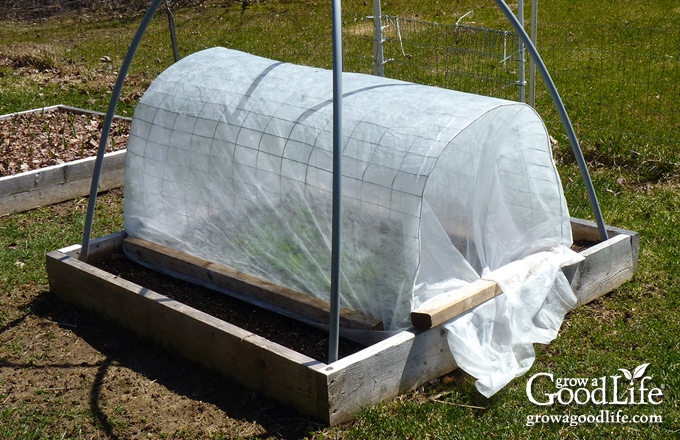
Row covers are one of the easiest ways to protect fall crops. Lightweight garden fabric helps shield plants from frost, wind, and pests while still allowing light, air, and water to reach the plants.
Drape row cover over hoops, wire supports, or directly over sturdy crops. Secure the edges with rocks, boards, landscape pins, or soil so cold air can’t blow underneath.
Row covers can add a few degrees of protection, which may be enough to keep your fall garden growing through early frosts.
Use Cloches for Individual Plants
Cloches are small covers placed over individual plants. You can use glass jars, plastic bottles with the bottoms cut off, milk jugs, or purchased garden cloches.
Cloches are useful for protecting young seedlings or a few valuable plants. Vent them during warm sunny days so plants don’t overheat.
Use Cold Frames
A cold frame is a bottomless box with a clear lid that acts like a mini greenhouse. It captures warmth from the sun and protects plants from wind, frost, and chilly rain.
Cold frames are especially useful for growing greens later into the season. They can also be used to harden off seedlings in spring or protect transplants in fall. Open the lid on warm days to prevent overheating, and close it again before temperatures drop in the evening.
Harvest Before a Hard Freeze
Even hardy crops have limits. If a hard freeze is expected, harvest tender crops and any vegetables you don’t want to risk losing.
- Root crops such as carrots, beets, and turnips can often stay in the ground through light frosts. In some areas, they can be protected with a thick layer of mulch and harvested until the ground freezes.
- Leafy greens may continue producing after frost, but quality can decline after repeated freezes. Harvest what you can and enjoy the extended season as long as it lasts.
What to Do With Empty Garden Beds
Not every garden bed needs to be planted with fall vegetables. If you have more open space than you can manage, use the empty beds to improve your soil for next year.
Plant Cover Crops
Cover crops help protect bare soil, reduce erosion, suppress weeds, and add organic matter. Depending on your climate and timing, options may include oats, winter rye, clover, field peas, or other cover crop blends.
Planting cover crops in unused beds is a great way to keep the soil covered and active after the main growing season ends.
For more information, see: Planting Cover Crops: Enhancing Soil Health
Add Compost and Mulch
If it’s too late to plant cover crops, you can still add compost and cover the soil with mulch. Shredded leaves, straw, grass clippings from an untreated lawn, or chopped garden debris can help protect the soil through winter.
This also gives soil organisms organic matter to break down, helping improve the bed for next year’s garden.
Plant Garlic
Fall is also the best time to plant garlic in many areas. If you have an open bed with rich, well-drained soil, consider planting garlic cloves before the ground freezes. Garlic will root in fall, go dormant for winter, and begin growing again in spring.
Keep Notes for Next Year
Fall gardening gets easier with experience. Each year teaches you more about your climate, frost timing, favorite crops, and how much you can realistically plant and harvest before winter.
Use a garden journal, notebook, spreadsheet, or calendar to record what you planted and how it performed. Note which crops had enough time to mature, which ones were planted too late, and which varieties you would grow again.
Helpful things to record include:
- First fall planting date.
- Seed starting dates.
- Direct sowing dates.
- Transplant dates.
- First harvest dates.
- First frost date.
- Hard freeze date.
- Pest problems.
- Weather challenges.
- Varieties that performed well.
- Crops you want to plant earlier next year.
These notes will help you adjust your fall planting schedule and improve your harvests each season.
Still Have Questions About Fall Gardening?
Fall gardening took me a few seasons to figure out because the timing is so different from spring planting. Instead of waiting for the weather to cool down, many fall crops need to be started while the summer garden is still full and producing.
Once you get used to planning ahead, choosing quick-maturing cool-season crops, and giving young plants a little extra care in late-summer heat, fall gardening becomes much more manageable.
Here are some quick answers to common questions that can help you get started:
Enjoy a Fall Harvest from Your Garden
A fall vegetable garden is a wonderful way to extend the growing season and make the most of your garden space. With a little planning, you can turn empty beds into fresh harvests of greens, roots, herbs, and hardy cool-season crops.
Start by finding your first frost date, choose vegetables that fit your season, and plant while there is still enough warmth and daylight for your crops to grow. Give seeds and seedlings extra care during late-summer heat, protect plants from frost when needed, and keep good notes so next year’s fall garden is even better.
Fall gardening doesn’t have to be complicated. Begin with a few quick crops, learn what works in your garden, and enjoy the fresh flavors of homegrown vegetables long after the summer harvest fades.