Best Vegetables to Start Indoors for Fall Harvests
This post may contain affiliate links, which means that I may receive a commission if you make a purchase using these links. As an Amazon Associate I earn from qualifying purchases.
Start these vegetables indoors in summer for fall harvests. Learn which cool-season crops grow best as transplants, including broccoli, cabbage, kale, lettuce, and more.

Fall gardening has a way of sneaking up on you.
In spring, seed starting and planting are usually front and center. But by midsummer, the garden is full, the weeds are growing, the zucchini is coming in, tomatoes need tying, and there may be beans, cucumbers, or berries to pick and preserve. It is easy to forget that a successful fall garden often begins while the summer garden is still in full swing.
Many cool-season vegetables need a head start before they are ready to transplant into the garden. Starting seeds indoors in summer gives broccoli, cabbage, kale, lettuce, and other fall crops time to grow into sturdy seedlings before the weather cools and space opens up in the garden.
This is especially helpful if your summer soil is hot, dry, and difficult to keep evenly moist. Tiny seeds can struggle to sprout in those conditions, and newly germinated seedlings can dry out quickly. Indoors, you can control moisture, temperature, and light so your seedlings are ready to plant outside when conditions improve.
If you are planning a fall vegetable garden, start with a small tray of cool-season crops indoors. Then, when garlic, onions, potatoes, peas, or tired summer plants come out of the garden, you will have healthy transplants ready to tuck into the empty spaces.
Learn more about planning the full season in this guide: Tips for Growing a Fall Vegetable Garden.
Why Start Fall Vegetables Indoors?
Starting fall crops indoors may seem odd when the garden is already warm and growing, but it can make a big difference for cool-season vegetables.
Many fall crops prefer cooler weather, but they need to be started before that weather arrives. If you wait until the air feels like fall, there may not be enough time for slower-growing crops to mature before winter. Starting seeds indoors gives them several weeks of protected growth before transplanting into the garden.
There are several benefits to starting fall vegetables indoors:
- Better germination: Cool-season crops such as lettuce, kale, cabbage, broccoli, and cauliflower may struggle to germinate in hot summer soil. Starting indoors lets you keep the seed-starting mix evenly moist and protected from heat stress.
- A head start on the season: Crops such as broccoli, cabbage, cauliflower, and Brussels sprouts need time to develop strong roots and sturdy leaves before transplanting. Starting them indoors gives them a 4-to-8-week head start, depending on the crop.
- Protection from summer pests: Tiny seedlings are vulnerable to insects, birds, slugs, and dry weather. Growing them indoors or in a protected seed-starting area gives them time to become stronger before they face garden conditions.
- Efficient use of garden space: You don’t have to clear a bed before starting your next crop. Seedlings can grow indoors while the summer garden continues producing. Then, when a space opens up, your fall transplants are ready to go.
- More control during hot weather: Midsummer can bring intense sun, dry soil, and quick temperature swings. Seedlings are easier to water and monitor in trays than in the garden during this busy time of year.
Starting indoors is not necessary for every fall crop, but it is especially helpful for vegetables that need a longer season or are sensitive to summer heat when young.
When to Start Seeds Indoors for a Fall Garden
The best timing depends on your average first fall frost date and the crops you want to grow.
In general, most fall transplants are started indoors about 4 to 8 weeks before you plan to move them outside. Faster crops, such as lettuce and bok choy, may only need a few weeks indoors. Slower crops, such as Brussels sprouts, need a much earlier start.
A simple way to plan is to count backward from your average first fall frost date:
- Look at the seed packet for the days to maturity.
- Add the number of weeks the crop needs indoors before transplanting.
- Add a little extra time because plants grow more slowly as daylight decreases in fall.
- Choose a transplant date when the weather should be cooling but the garden still has time for the crop to mature.
For many northern gardens, fall seed starting begins in midsummer, often around late June through July, depending on the crop. In warmer climates, fall seed starting may happen later because the growing season extends farther into autumn and winter.
Here in my Maine garden, I have to think about fall crops while the summer garden is still demanding attention. It feels early, but if I wait until the weather cools down, it is often too late for crops such as broccoli, cabbage, and cauliflower to size up before the days get short.
The goal is to have strong seedlings ready to transplant when summer crops begin to fade and the weather becomes more comfortable for cool-season vegetables.
Best Vegetables to Start Indoors for a Fall Garden
The best vegetables to start indoors for a fall garden are cool-season crops that either need extra time to mature or germinate better in protected conditions. These crops can be started in seed trays, grown under lights, hardened off, and transplanted into the garden when space opens up.
Broccoli
Broccoli is one of the best vegetables to start indoors for a fall garden. It grows well in cool weather, transplants easily, and often produces better quality heads in fall than in spring.
Spring broccoli can be tricky because plants may bolt or form small heads when warm weather arrives too quickly. Fall broccoli has the advantage of maturing as temperatures cool, which can lead to sweeter flavor and better heads.
Start broccoli seeds indoors about 4 to 6 weeks before you plan to transplant them into the garden. Keep the seedlings under strong light to help them grow sturdy stems and healthy leaves. Transplant them outdoors once they are well rooted and the worst of the summer heat has eased.
Broccoli grows best with consistent moisture and fertile soil. Add compost to the planting area before transplanting, water deeply after planting, and mulch around the seedlings to help keep the soil cool and evenly moist.
- Learn more here: How to Grow Broccoli.
Cabbage
Cabbage is another excellent fall crop to start indoors. It needs time to form heads, and starting seeds indoors gives the plants a strong beginning before they go into the garden.

Fall cabbage can be easier to grow than spring cabbage in some gardens because the heads develop during cooler weather. The plants can tolerate light frost, and the flavor often improves after chilly nights.
Start cabbage seeds indoors about 4 to 6 weeks before transplanting. Choose varieties that match your growing season. Smaller or early-maturing cabbages are a good choice if your fall season is short, while storage cabbages may need more time.
Transplant cabbage seedlings into rich, well-drained soil and keep them watered as they settle in. Like other brassicas, cabbage can attract cabbage worms, flea beetles, and other pests, so consider covering young plants with insect netting or lightweight row cover after transplanting.
Cauliflower
Cauliflower is worth starting indoors for fall, but it is a little fussier than broccoli or cabbage. It needs steady growth, consistent moisture, and minimal stress to form good heads.
Hot weather, drought, nutrient stress, or root disturbance can cause cauliflower to struggle. Starting seeds indoors helps you get healthy seedlings established before transplanting them into the garden when temperatures begin to cool.
Start cauliflower seeds indoors about 4 to 6 weeks before transplanting. Give the seedlings strong light, keep the seed-starting mix evenly moist, and avoid letting them become rootbound in their cells. Consider potting them up into larger containers.
When transplanting, choose a cloudy day or plant in the late afternoon to reduce stress. Water well and mulch to keep the soil cool. Some cauliflower varieties are self-blanching, while others may need the outer leaves gently tied over the developing head to keep it white.
If you are new to growing cauliflower, consider starting with just a few plants and choosing an early-maturing variety.
Brussels Sprouts
Brussels sprouts are a wonderful fall crop, but they require more planning than most vegetables on this list. They have a long growing season and need plenty of time to develop before cold weather settles in.
In short-season areas, Brussels sprouts may need to be started earlier than broccoli, cabbage, and kale. Depending on your climate and variety, you may need to start seeds indoors in early to midsummer so the plants have enough time to mature in fall.
Start Brussels sprouts indoors about 6 to 8 weeks before transplanting, or earlier if your growing season is short. They need strong light, steady moisture, and room to grow.
Transplant Brussels sprouts into a sunny garden bed with rich soil. These plants grow tall and take up space, so give them plenty of room. They also benefit from consistent watering and mulch.
The sprouts form along the stem and are usually sweetest after a few light frosts. If you garden in a northern climate, check the days to maturity carefully and choose a variety that fits your season.
Kale
Kale is one of the easiest and most reliable vegetables to grow for fall. It tolerates cool weather, handles light frost, and often becomes sweeter after chilly nights.

You can direct sow kale for fall, but starting it indoors gives you a stronger, more predictable crop. Indoor starting is especially helpful in midsummer when outdoor soil may be too hot and dry for small seeds to germinate well.
Start kale seeds indoors about 4 to 6 weeks before transplanting. Kale seedlings are usually sturdy and forgiving, making them a good choice for beginner seed starters.
Transplant kale into the garden once the seedlings have several true leaves and the weather is beginning to cool. Keep the plants well watered as they establish. You can harvest the outer leaves as needed, allowing the center of the plant to continue producing.
Kale is also a good crop for filling small garden spaces. Tuck a few plants into empty spots after early crops are harvested, or plant a short row for fall greens.
- Learn more here: How to Grow Kale.
Collards
Collards are another leafy brassica that can be started indoors for a fall harvest. They are especially useful in warmer climates, but they also grow well in northern gardens when started early enough.
Like kale, collards tolerate cool weather and can handle light frost. The leaves are large, productive, and useful for soups, stews, sautés, and wraps.
Start collard seeds indoors about 4 to 6 weeks before transplanting. Grow them under lights until they are sturdy, then harden them off gradually before moving them into the garden.
Collards need fertile soil, consistent moisture, and room to grow. Harvest the lower leaves as they reach a usable size, leaving the center of the plant to keep producing.
Kohlrabi
Kohlrabi is a fun fall crop that grows faster than many other brassicas. It forms a round, swollen stem above the soil that can be eaten raw or cooked.
Although kohlrabi can be direct sown, starting it indoors can help you get a more reliable fall crop, especially if your summer soil is hot or dry. It also gives you transplants ready to tuck into open spaces later in the season.
Start kohlrabi seeds indoors about 4 to 6 weeks before transplanting. Choose quick-maturing varieties for fall planting.
Transplant seedlings into loose, fertile soil and keep them evenly watered. Harvest kohlrabi while the bulbs are young and tender. If they grow too large, they can become woody.
Bok Choy and Asian Greens
Bok choy, pac choi, tatsoi, Chinese cabbage, and other Asian greens are excellent fall crops because they prefer cooler weather and mature quickly. They can be direct sown, but starting them indoors helps avoid poor germination in hot soil and gives you sturdy seedlings to transplant later.

These crops grow fast, so they do not need as much indoor time as broccoli or cabbage. Start seeds indoors about 3 to 4 weeks before transplanting.
Asian greens can bolt in hot weather, so wait until temperatures begin to cool before setting them outside. Transplant into fertile soil, water well, and consider using row cover to protect young plants from flea beetles and other pests.
Bok choy and other Asian greens are great for stir-fries, soups, and quick sautés. Baby leaves can also be harvested early for salads.
Swiss Chard
Swiss chard is a dependable crop for fall gardens. It tolerates cool weather, transplants well, and continues producing leaves over a long period.

Chard is not as cold hardy as kale, but it can handle mild fall weather and light frosts. It also adds beautiful color to the garden with red, yellow, pink, orange, or white stems, depending on the variety.
Start Swiss chard indoors about 4 to 6 weeks before transplanting. The seeds are larger than lettuce or brassica seeds and usually germinate well with steady moisture.
Transplant chard into rich soil and keep it watered. Harvest the outer leaves as needed, leaving the center to continue growing. Chard is useful in soups, sautés, casseroles, and egg dishes.
- Learn more here: How to Grow Swiss Chard.
Lettuce
Lettuce is one of the most useful crops to start indoors for fall because it can struggle to germinate in hot summer soil. Many lettuce varieties prefer cooler temperatures, and seeds may sprout poorly when the soil is too warm.
Starting lettuce indoors gives you better control over moisture and temperature. It also lets you grow small transplants that can be tucked into garden spaces as summer crops finish.

Start lettuce indoors about 3 to 4 weeks before transplanting. You can grow leaf lettuce, romaine, butterhead, or heading lettuce for fall, but choose varieties that mature quickly if your season is short.
Lettuce seedlings are delicate, so handle them gently when transplanting. Set them out on a cloudy day or in the late afternoon, water well, and provide temporary shade if the weather is still hot.
You can also sow a few extra seeds every couple of weeks for a staggered fall harvest.
- Learn more here: How to Grow Lettuce.
Tips for Starting Fall Seeds Indoors
Starting seeds indoors for a fall garden is similar to spring seed starting, but there are a few seasonal differences to keep in mind. In summer, your house may be warmer, seedlings may grow quickly, and outdoor transplanting conditions may still be hot and dry.
Here are some tips to help your fall seedlings grow strong:
- Use fresh seed when possible: Some seeds lose germination strength over time, especially if they were stored in a warm or humid place. Fresh seed gives you the best chance of strong germination.
- Choose quick-maturing varieties: Fall crops need to mature before the season ends or before deep cold slows growth. Check the seed packet and choose varieties that fit your growing window.
- Use a seed-starting mix: A light, fluffy seed-starting mix helps small seeds germinate and roots grow well. Avoid heavy garden soil in seed trays because it can compact and hold too much moisture.
- Keep the mix evenly moist: Midsummer air can dry seed trays quickly. Check them daily and keep the mix moist but not soggy.
- Use grow lights: Even in summer, seedlings grown indoors need strong light to prevent legginess. Place trays under grow lights once the seeds sprout, and keep the lights close enough to encourage sturdy growth.
- Provide airflow: Good airflow helps prevent fungal issues and encourages stronger stems. A small fan running gently nearby can help.
- Sow a few extra seeds: Summer seed starting can be unpredictable. Sow a few extra cells so you have backup seedlings if some fail to germinate or struggle after transplanting.
- Label everything: Fall seed trays can look very similar, especially when growing several brassicas. Label each variety clearly so you know what you are planting later.
- Do not let seedlings become rootbound: If garden space is not ready when your seedlings are, pot them up into larger containers so they can keep growing without becoming stressed.
For detailed step-by-step instructions, see How to Start Seeds Indoors. If you need help with lighting, see Using Grow Lights for Seedlings and Indoor Growing.
Hardening Off Fall Seedlings
Before moving indoor-grown seedlings into the garden, they need to be hardened off. Hardening off helps plants adjust gradually to outdoor sun, wind, temperature changes, and garden conditions.
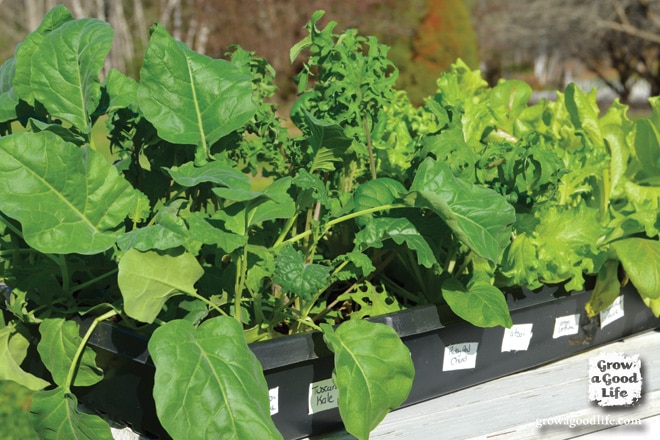
Fall seedlings need a slightly different approach than spring seedlings. In spring, the main concerns are cold nights and chilly wind. In summer, young transplants may face intense sun, dry soil, hot afternoons, and insect pressure.
Begin hardening off seedlings about a week before transplanting. Start by placing them outdoors in a sheltered, shady spot for a short time. Gradually increase their time outside and expose them to more light over several days.
Avoid setting tender seedlings directly into strong afternoon sun. They can wilt or scorch quickly, especially if they were grown under lights indoors. Bright shade or morning sun is a gentler place to begin.
- Learn the full process here: How to Harden Off Seedlings.
Transplanting Fall Seedlings into the Garden
While your seedlings are hardening off, prepare the bed by removing spent crops and weeds. Add compost if the soil needs a boost, and water the bed well before planting if the soil is dry.
Once your seedlings are hardened off and the garden space is ready, it is time to transplant. Choose an overcast day if possible. You can also plant in the late afternoon or evening so seedlings have overnight to settle in before facing the next day’s sun.
Water the seedlings well before transplanting. Transplant seedlings at the same depth they were growing in their containers, unless the crop can tolerate slightly deeper planting. Firm the soil gently around the roots and water each plant thoroughly.
After planting, water deeply again to help the roots settle into the soil. Mulch around the plants to hold moisture and keep the soil cooler.
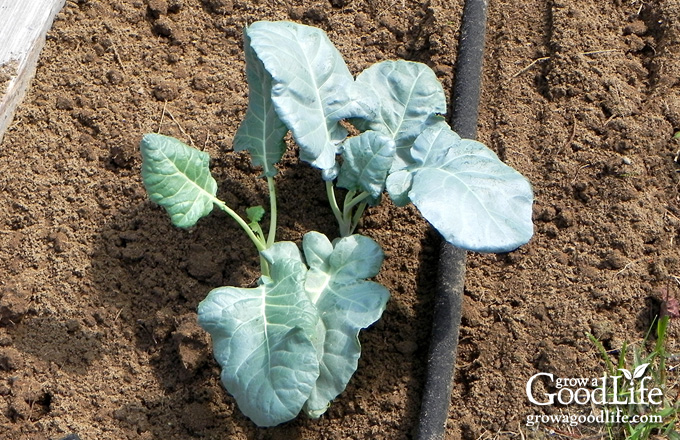
Keep the soil evenly moist for the first week or two while the seedlings establish. This is especially important in late summer, when days may still be warm and rainfall can be inconsistent.
You may also want to protect young brassicas with insect netting or lightweight row cover. Cabbage worms, flea beetles, and other pests can still be active in late summer and early fall.

As the plants begin to grow, continue watering during dry spells and monitor for pests. Cool-season crops grow best when they are not stressed by drought, heat, or competition from weeds.
What Not to Start Indoors for Fall
Not every fall crop belongs in a seed tray. Some vegetables grow best when sown directly where they will mature.
Root crops such as carrots, radishes, and turnips do not like having their roots disturbed. If they are transplanted, they may become forked, twisted, or misshapen. These crops are usually best direct sown into prepared garden beds.
Peas are another crop that generally prefers to be direct sown. They can grow well in fall, but they do not appreciate root disturbance and are easiest to plant right where they will climb.
Other crops, such as spinach, arugula, beets, cilantro, and mâche, can often be direct sown outdoors for fall, depending on your climate and timing.
The challenge with direct sowing in late summer is keeping the seedbed evenly moist until the seeds germinate. Shade cloth, boards, burlap, or a light layer of mulch can help protect the soil surface from drying out. Just be sure to remove any covering once the seeds sprout so the seedlings receive light.
I’ll cover these crops in more detail in a companion article on the best seeds to direct sow for a fall garden (coming soon).
Easy Fall Garden Combinations
You do not need to start every crop on this list. Even one tray of seedlings can help extend the garden season.
Here are a few simple combinations to consider:
- Small garden fall tray: Broccoli, kale, lettuce, and bok choy.
- Brassica fall tray: Broccoli, cabbage, cauliflower, and kale.
- Leafy greens tray: Lettuce, Swiss chard, kale, and collards.
- Quick fall harvest tray: Lettuce, bok choy, kohlrabi, and kale.
- Long-season tray: Brussels sprouts, cabbage, broccoli, and cauliflower.
Choose crops your family actually eats and varieties that fit your growing season. If you are new to fall gardening, start small. A few healthy transplants are better than a large tray of seedlings you do not have time or space to plant.
Common Questions About Starting Fall Vegetables Indoors
Starting seeds indoors for fall harvests can feel a little different from spring seed starting because the timing, weather, and transplanting conditions are not quite the same. Here are answers to some common questions about choosing crops, timing your planting, and moving seedlings into the garden for a fall harvest.
Keep the Garden Growing Well into Fall
A fall garden does not begin when the air turns cool. For many crops, it begins weeks earlier, while the summer garden is still producing and the days are still warm.
Starting a small tray of vegetables indoors gives you a head start on the next season. By the time garlic, onions, potatoes, beans, or tired summer crops are finished, you can have broccoli, kale, lettuce, cabbage, or other cool-season seedlings ready to transplant into the empty spaces.
You do not need to start a huge number of plants. Even a few healthy seedlings can extend your harvest and make better use of garden space.
With a little planning in midsummer, your garden can keep producing long after the main summer crops begin to fade.