
How to Freeze Tomatoes for Cooking or Canning Later
This post may contain affiliate links, which means that I may receive a commission if you make a purchase using these links. As an Amazon Associate I earn from qualifying purchases.
Learn how to freeze tomatoes to preserve your harvest with ease. Simple methods, best uses, and safe tips for canning frozen tomatoes later.

Are you overwhelmed by a big tomato harvest? If you are like most of us, you planted the garden with lots of tomato plants, planning to turn that bounty into canned tomato sauce, salsa, juice, soup, and other preserved tomato products.
As the garden grows, it seems to take forever for tomatoes to form and finally begin ripening. The first hint of color on the vine feels like a small victory. A few ripe tomatoes make their way into salads and sandwiches. Then there are enough to turn into a batch of fresh salsa or tomato sauce.
And then it happens.
As soon as you clear the counters, more tomatoes are ready. Baskets fill up faster than you can keep up, and suddenly you’re surrounded by ripe tomatoes that need to be preserved now, before they go bad.
Canning tomatoes is a great way to preserve the harvest in shelf-stable jars, but it’s also time-consuming. It requires planning, equipment, and the right conditions. Ripe tomatoes don’t always wait for a free afternoon or a cool kitchen.

That’s where freezing comes in.
Freezing tomatoes is one of the easiest and most flexible ways to preserve a tomato harvest. When time is short or the harvest is coming in fast, you can simply wash the tomatoes, pack them up, and freeze them. No blanching required. Frozen tomatoes won’t hold their shape when thawed, but they work beautifully in cooked dishes like soups, sauces, stews, and chili.
Freezing also buys you time. You can use frozen tomatoes right away in everyday meals, or save them to turn into home-canned tomato products later, when you have more time and a larger batch to work with.
Whether you plan to cook with them, can them later, or simply prevent good tomatoes from going to waste, freezing is a simple way to preserve the harvest without stress.
Why Freeze Tomatoes?
Freezing tomatoes is one of the simplest ways to preserve a harvest, especially when tomatoes are ripening faster than you can use or can them. It requires very little prep, no special equipment, and works just as well for small batches as it does for large ones.
One of the biggest advantages of freezing tomatoes is flexibility. Tomatoes can be frozen whole, chopped, or puréed depending on how you plan to use them later. There’s no need to blanch or peel them before freezing, and the skins slip off easily once the tomatoes are thawed.
Frozen tomatoes are best used in cooked dishes. While the texture softens after freezing, the flavor holds up beautifully in soups, stews, sauces, chili, and other cooked tomato recipes.
The main downside to freezing tomatoes is freezer space. Whole tomatoes in particular can take up room, especially during peak preserving season. Freezing also isn’t a good option if you want firm tomato pieces for fresh or chunky recipes.
For many, freezing tomatoes is a worthwhile trade-off. It prevents waste, reduces pressure during busy harvest weeks, and makes it easier to preserve tomatoes on your own schedule.
How to Freeze Tomatoes (3 Easy Methods, No Blanching Needed)
Freezing tomatoes is a simple process, but starting with good-quality fruit makes a big difference in the final result. Choose firm, ripe tomatoes with no signs of mold, rot, or disease. If a tomato has a small blemish or soft spot but the rest of the fruit looks healthy, trim away the damaged area and freeze the rest.
If you plan to use frozen tomatoes for home canning later, it’s especially important that you don’t use tomatoes picked from dead or frost-killed vines, as frost damage can affect quality and may alter acidity, making them unsafe for home canning. If you think you may want to can frozen tomatoes later, freezing them whole is the best option.
Select the method below based on how much time you have and how you plan to use the tomatoes later.
If you’re looking for the quickest method, freezing whole tomatoes is the easiest option. The printable recipe card below summarizes the steps and can be found at the end of this article.
Freeze Chopped Tomatoes
Freezing chopped tomatoes takes just a few extra minutes and is a good option if you like having smaller portions ready to use for everyday meals. Consider freezing in meal-sized or recipe-sized portions when possible.
How to freeze chopped tomatoes:
- Wash and Prep: Rinse the tomatoes well under running water, and remove the stems. Trim away any blemishes or soft spots.
- Chop: Core the tomatoes and cut them into your desired size for easy meal prep. You can cut them into quarters, chop them into large chunks, or cut them smaller for diced tomatoes.
- Pack: Place the chopped tomatoes into freezer bags or freezer-safe containers, making sure to include all the flavorful juice released during chopping. Leave several inches of headspace for expansion.
- Freeze: Label the containers with the date and contents, then freeze.
Frozen chopped tomatoes work best in soups, stews, chili, pasta sauce, and other cooked tomato dishes. Because the tomatoes are chopped before freezing, this method saves time when cooking. Use within 6 to 12 months for the best quality.
Freeze Tomato Purée
Freezing tomato purée is a good choice if you know you’ll use your tomatoes for smooth sauces, soups, or chili. This method takes a bit more prep up front, but creates ready-to-use portions.

How to freeze tomato purée:
- Wash and Prep: Rinse the tomatoes, remove the stems, and trim away any blemishes.
- Blend: Core the tomatoes and blend in a food processor or blender until smooth. There’s no need to peel or remove seeds before blending unless you want to.
- Pack: Pour the purée into freezer-safe containers or freezer bags. Leave 1 to 2 inches of headspace to allow for expansion.
- Freeze: Label with the date and contents, then freeze. Lay the bags flat so they stack easily.
Frozen tomato purée works especially well in tomato sauce, soups, stews, and other cooked recipes. Use within 6 to 12 months for the best flavor.
Freeze Whole Tomatoes
Freezing tomatoes whole is the fastest and least fussy method, and it’s the one I use most often during peak tomato season. It’s also the best option if you want the flexibility to cook with frozen tomatoes now or can them later.

How to freeze whole tomatoes:
- Rinse and Prep: Wash the tomatoes well under running water and remove the stems.
- Air Dry: Spread the tomatoes out on clean kitchen towels and let them air dry completely. Drying helps prevent excess ice buildup in the freezer.
- Pack: Place the whole tomatoes directly into freezer bags. There’s no need to cut, peel, or blanch.
- Freeze: Label the bags with the date and contents, and freeze.
That’s it! No chopping, no blanching, and no extra steps.
Because freezing softens the tomatoes, this method works best for fully cooked dishes like tomato sauce, soups and stews, and crushed tomato products. Frozen tomatoes are best used within 6 to 12 months.
Ways to Use Frozen Tomatoes
Frozen tomatoes are best used in cooked dishes, where texture isn’t as important, and the flavor can really shine. Once thawed, frozen tomatoes soften and release a lot of liquid. This is normal and expected. Simply pour off the excess liquid or use it to replace liquid in your recipe (unless you plan to can the tomatoes, in which case all the juice should be saved).
How to Thaw Frozen Tomatoes
Frozen tomatoes can be thawed in a few simple ways, depending on how you plan to use them:
- In the Refrigerator: Place frozen tomatoes or freezer bags in a bowl or container and allow them to thaw slowly in the refrigerator.
- Straight into the Pot: For soups, stews, and sauces, frozen tomatoes can often be added straight from the freezer to the pot without thawing first. They’ll break down as they cook.
If you’re using freezer bags, it’s a good idea to set them in a bowl while thawing. Occasionally, small tears can happen in the freezer, and liquid can leak as the tomatoes thaw.

What to Expect After Thawing
Once thawed, frozen tomatoes will be soft and juicy. This change in texture makes them ideal for cooking.
One advantage of freezing whole tomatoes is that the skins slip off easily after thawing. You can rinse partially thawed tomatoes under warm water or gently peel the skins off by hand, no blanching required.

Best Uses for Frozen Tomatoes
Frozen tomatoes work especially well in recipes where they’ll be cooked down, such as soups, stews, tomato sauce, chili, and other cooked tomato dishes. The liquid released during thawing has a lot of flavor, so it’s best to use it in your recipe rather than discard it.
In addition to everyday cooking, frozen tomatoes can also be used later for home canning when prepared properly.
Can You Can Previously Frozen Tomatoes?
Yes, previously frozen tomatoes can be safely canned, as long as they were harvested at peak ripeness before frost and are used in tested tomato canning recipes.
Freezing tomatoes does not change their acidity. What does change is texture. Once thawed, frozen tomatoes soften significantly, which is why they are best suited for fully cooked tomato products rather than raw-pack recipes that rely on firm tomato pieces.
If you froze tomatoes to buy yourself time during a busy harvest, canning them later is a perfectly safe option when done correctly.
Best Canning Uses for Previously Frozen Tomatoes
Because freezing breaks down the tomato cell structure, previously frozen tomatoes work best in recipes where the tomatoes are cooked down. Good choices include tomato sauces, crushed tomatoes, tomato juice, and tomato soup. These types of recipes accommodate the softer texture while maintaining safety and quality.
Previously frozen tomatoes are not a good fit for raw-pack preparations or salsa recipes that depend on firm tomato pieces.
Important Notes Before You Begin
Freezing tomatoes gives you flexibility, but safety still depends on following tested safe canning methods. Before getting started, there are a few important points to keep in mind to ensure safe, successful canning:
- Use whole frozen tomatoes: Whole tomatoes retain their natural juice and original weight, which helps ensure you are following tested recipes accurately.
- Avoid frost-damaged tomatoes: Do not can tomatoes picked from dead or frost-killed vines, as frost damage may alter the natural acidity.
- Follow tested recipes exactly: When canning tomatoes, always use recipes from reliable, research-based sources.
How to Prep Frozen Tomatoes for Canning
Preparing frozen tomatoes for canning is a little different than working with fresh tomatoes, but the process is straightforward.
Because most canning recipes are written for whole tomatoes measured by weight, frozen tomatoes should be weighed while still frozen to ensure accuracy. Once weighed, they can be thawed and prepared for the recipe.
Step 1: Select a Safe Canning Recipe
Here are tested canning recipes that work well with previously frozen whole tomatoes:
- Pizza Sauce
- Tomato Basil Sauce with Fresh Garlic
- Small Batch Tomato Sauce
- Spaghetti Sauce
- Seasoned Tomato Sauce
- Tomato Soup (Skip the roasting step.)
- Tomato Puree
- Crushed Tomatoes
- Tomato Vegetable Juice
- Stewed Tomatoes (Use the whole tomatoes weight, not cups. Frozen tomatoes soften and don’t measure the same after thawing)
- Restaurant Style Salsa (Skip the roasting step.)
Step 2: Weigh the Frozen Tomatoes
Frozen tomatoes weigh the same as fresh tomatoes. Ice crystals do not change weight, so if a tested recipe calls for 10 pounds of tomatoes, you can use 10 pounds of frozen whole tomatoes, weighed before thawing.
Step 3: Thaw the Tomatoes
After weighing, thaw the tomatoes using one of these methods:
- In the refrigerator: Place the tomatoes in a bowl or container and allow them to thaw slowly.
- On the stovetop: Place the tomatoes directly into a large saucepan and gently heat until thawed.
Be sure to keep all the juice released during thawing. This liquid is part of the tomatoes and contributes to their natural acidity.
Step 4: Remove Skins and Seeds
Once completely thawed, run the tomatoes through a tomato strainer, food mill, or sieve to remove the skins and seeds while keeping the pulp and juice.
Step 5: Follow the Canning Recipe
Once the tomatoes are prepped, follow the instructions in your chosen recipe exactly for additional ingredient measurements and canning instructions, including processing times and acid additions.
How to Freeze Whole Tomatoes
Ingredients
- 5 pounds Roma tomatoes about enough to fill one gallon freezer bag
Instructions
- Wash the tomatoes: Rinse the tomatoes well under running water and remove the stems.
- Trim blemishes: Cut away any soft spots or damaged areas.
- Air dry: Spread the tomatoes on clean kitchen towels and allow them to dry completely.
- Pack for freezing: Place the whole tomatoes into freezer bags or freezer-safe containers.
- Label and freeze: Label the bags with the date and freeze.
- Yield: 1 gallon freezer bag frozen tomatoes.
- Storage: Use frozen tomatoes within 6 to 12 months for best quality.
Notes
Nutrition
Freezing Tomatoes Gives You Time and Options
Tomatoes don’t ripen on our schedules. One week, there are just a few to enjoy fresh, and the next, the garden is overflowing with more than can be used right away. Freezing is a simple way to meet that abundance without rushing or feeling overwhelmed.
Whether you freeze tomatoes for everyday cooking or save them to make home-canned products later, freezing gives you options. It lets you preserve the harvest at its peak and decide how to use it when time, weather, and energy allow.
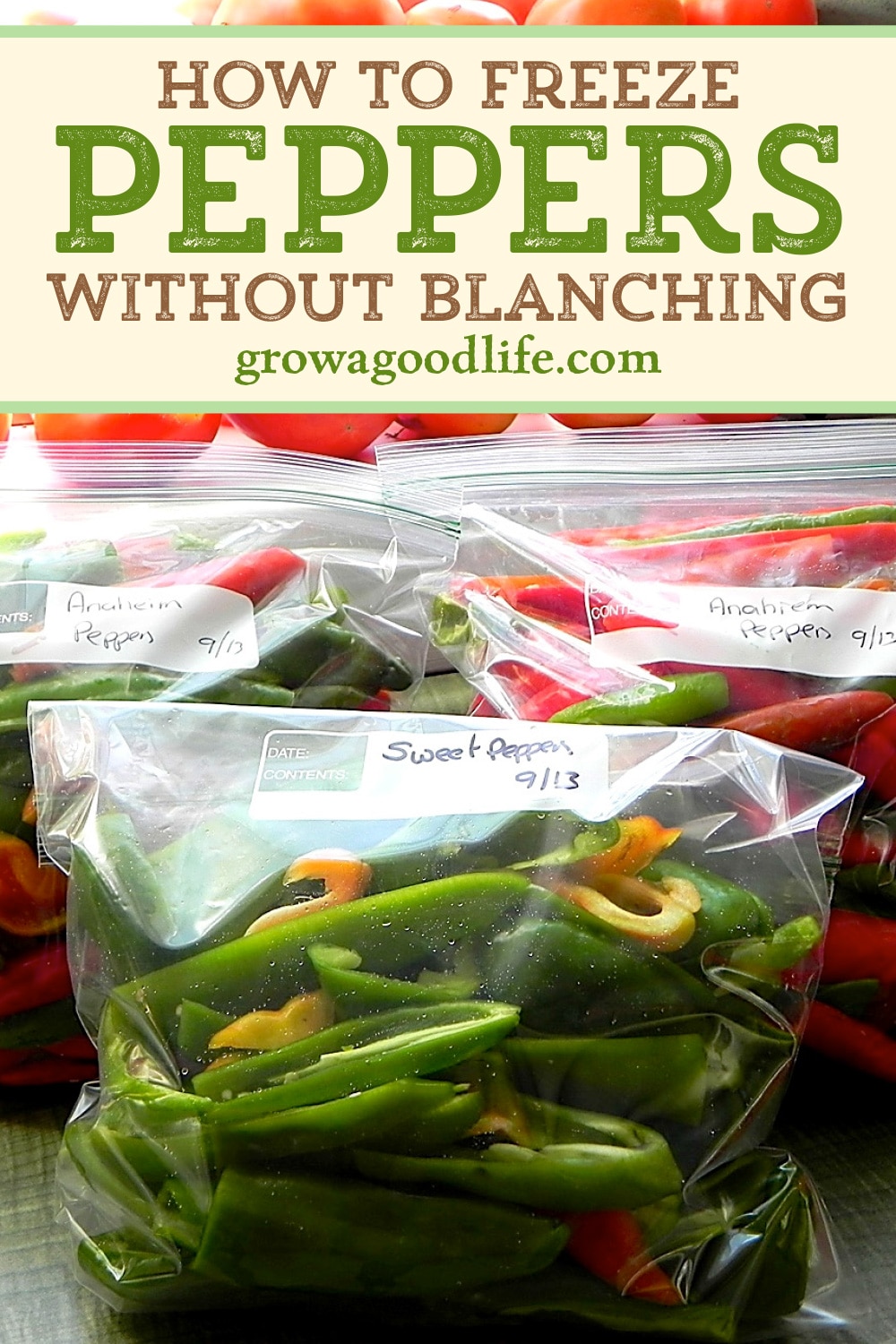
Freezing is also a helpful skill to use with other vegetables that arrive all at once in the garden. If you’re preserving a large garden harvest, you may also want to learn how to freeze peppers, how to freeze carrots, how to freeze celery, or how to freeze potatoes so you can store more of your garden’s bounty for later.
Preserving food doesn’t have to happen all at once, and it doesn’t have to be complicated to be worthwhile. Freezing tomatoes is a skill that fits into real life, helping you reduce waste, make the most of your garden, and enjoy homegrown tomatoes long after the season has passed.
If you love salsa, consider adding our eBook, Grow a Good Life Guide to 50 Salsa Canning Recipes, to your resource library. This 72-page eBook is packed with a variety of delicious salsa recipes, including classic tomato salsas to roasted and grilled salsas to tomatillo and delicious fruit blends, all safe for water bath canning. It’s the perfect guide to help you preserve your garden harvests.
