
What Garden Weeds Can Tell You About Your Soil
This post may contain affiliate links, which means that I may receive a commission if you make a purchase using these links. As an Amazon Associate I earn from qualifying purchases.
Garden weeds can offer clues about dry soil, compaction, drainage, and bare ground. Learn how to use those clues to build healthier soil.

Weeds are part of gardening. No matter how carefully you prepare the beds, mulch the paths, or pull every little sprout you see, something always seems to pop up where you don’t want it.
It is easy to see weeds as just another chore. And sometimes, that is exactly what they are. They compete with young seedlings, steal moisture and nutrients, and can quickly take over if they are allowed to flower and set seed.
But weeds can also offer clues.
The types of weeds that show up in your garden, where they grow, and how they change over time can tell you something about the soil beneath them. They may point to dry soil, compacted areas, poor drainage, bare ground, disturbed soil, or places where organic matter is needed.
Weeds are not a diagnosis, and they do not replace a soil test. But when you learn to observe them, they can help you better understand your garden and make thoughtful choices as you build healthier soil.
My First Garden: Lots of Weeds and Tired Soil
When I bought my home, I was thrilled that it came with a small vegetable garden plot. I had grown up watching my grandparents garden, so I approached that first season the way they had: I tilled the beds in spring, hoed the soil into long rows, and planted my vegetables.
That first year, I didn’t add compost. I didn’t mulch. I didn’t have raised beds or permanent paths. I watered with an overhead sprinkler. The kind that fans back and forth across the garden.
At first, I was diligent about weeding. But it didn’t take long before the weeds gained the upper hand. Before long, it was difficult to see where some of the vegetable plants were among all the grass and weeds.

Even so, the garden still gave me plenty of tomatoes, beans, peppers, zucchini, cucumbers, and pumpkins. It was enough to make the work feel worthwhile, but I also knew I had to do something different going forward.
The soil was dry and sandy. It drained quickly and didn’t hold moisture well. The surface would crust over, and water seemed to run off instead of soaking in. The garden was full of weeds, many of which went to seed, and I quickly realized I didn’t have hours each day to maintain long rows of crops.
That experience pushed me toward creating a more low-maintenance vegetable garden with defined beds, mulch, and systems that were easier to keep up with.
At the time, I thought I simply had a weed problem. Looking back, I can see that the weeds were also pointing to a soil and garden-management problem.
Weeds Are Clues, Not a Diagnosis
Every garden has weeds. Weed seeds can blow in, wash in, arrive in compost or mulch, or remain buried in the soil for years until conditions are right for them to sprout.
Some weeds are very adaptable and can grow in a wide range of conditions. Others tend to thrive where the soil offers something they prefer, such as moisture, dryness, compaction, fertility, disturbance, or bare ground.
That is why weeds are best viewed as clues.
One dandelion does not mean your soil is compacted. A patch of purslane does not tell the whole story of your garden. But if the same weeds keep appearing in the same areas year after year, it is worth taking a closer look.
Ask yourself:
- Are these weeds growing in one bed or throughout the garden?
- Are they appearing along paths, edges, or places where you walk?
- Are they growing in dry corners or low, wet spots?
- Did they show up after tilling, adding purchased soil, or spreading mulch?
- Are they appearing where the soil is bare between crops?
The answers can help you notice patterns. Then you can decide whether the soil needs more organic matter, better drainage, less disturbance, more mulch, permanent paths, or a soil test to confirm pH and nutrient levels.
Then you can focus on long-term changes that improve your garden soil naturally, such as adding compost, mulching, and keeping the soil covered.

Why Weeds Often Appear in New Garden Beds
New garden beds are especially prone to weeds. Whether you are converting lawn to garden, tilling an old plot, building raised beds, or bringing in purchased soil, you are creating the kind of open, disturbed space where weed seeds can germinate.
Freshly turned soil exposes buried weed seeds to light. Bare soil gives them room to grow. Purchased topsoil, compost, hay, straw, manure, or garden mix can sometimes introduce new weed seeds, especially if the materials were not fully composted or handled carefully.
This does not mean you did anything wrong. It simply means the garden is still settling in.
When I added new square foot garden beds with fresh soil mix, they were nearly weed-free the first year. Meanwhile, the old in-ground garden beds continued to produce grass, purslane, lamb’s quarters, morning glory bindweed, ragweed, and creeping Charlie. Over time, those older beds improved as I added compost, used organic mulches, and changed the way I managed the garden.
The lesson was clear: New soil may start out clean, but long-term weed control comes from building soil, covering the surface, and preventing weeds from going to seed.
What Different Weeds May Be Telling You
Once you begin looking at weeds as clues, patterns often become easier to spot. A single weed does not tell the whole story, but repeated patches in the same places can point you toward soil conditions worth investigating. The goal is not to memorize every weed, but to notice what garden weeds tell you about soil, then use that information to make thoughtful improvements over time.
Weeds That May Point to Dry or Sandy Soil
Dry, sandy soil drains quickly and often struggles to hold moisture and nutrients. It may crust over on the surface, especially if it is left bare and watered from above. Water may run off instead of soaking in, and shallow-rooted crops may struggle during hot, dry weather.
Some weeds that tolerate dry or sandy conditions include purslane, ragweed, sheep sorrel, yarrow, and certain grasses.
In my early garden, the soil dried out quickly and formed a crust on the surface. I also had plenty of grass and ragweed, especially in dry areas and along the edges.
Purslane appeared too, though I never minded it as much as some other weeds because it stayed low and was easy to pull when needed. Plus purslane is edible too, so it often harvested and used in salads and stir fries.

If weeds are pointing to dry or sandy soil, focus on building organic matter and protecting the soil surface.
Ways to improve dry soil:
- Add finished compost regularly.
- Use organic mulch to reduce evaporation.
- Water deeply instead of lightly sprinkling the surface.
- Avoid leaving soil bare between crops.
- Use cover crops when beds are resting.
- Add leaf mold or other organic materials that break down over time.
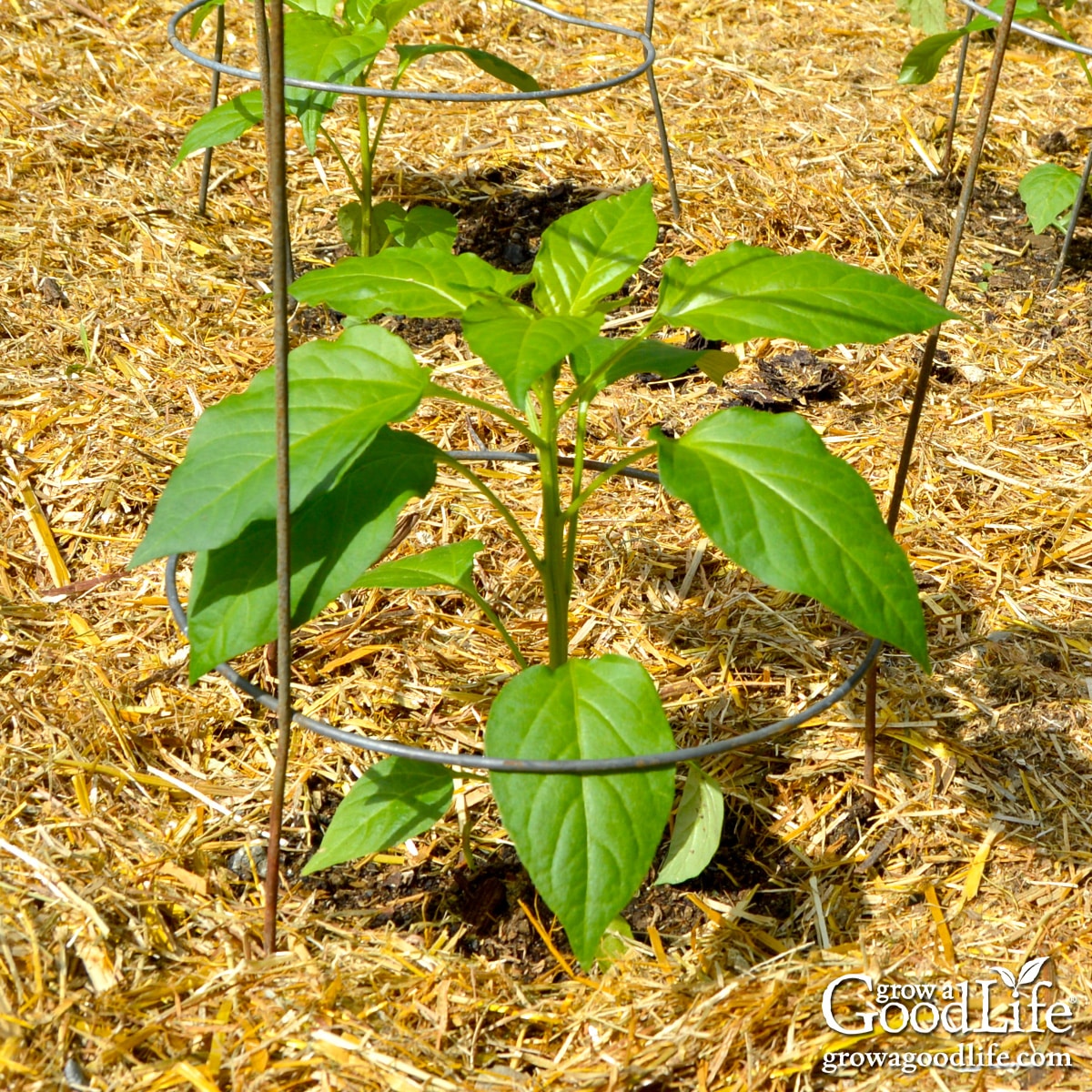
Organic matter acts like a sponge. It helps sandy soil hold moisture longer, supports soil life, and makes the garden more resilient during dry stretches.
Weeds That May Point to Compacted Soil
Compacted soil has less space for air and water. Roots have a harder time growing deeply, water may puddle or run off, and garden plants may struggle even when the soil looks fine on the surface.
Compaction often happens where soil is walked on, worked when wet, or repeatedly tilled. It can also happen along paths, bed edges, and areas where wheelbarrows or equipment are used.
Weeds such as plantain, dandelion, knotweed, chickweed, and some grasses are often associated with compacted or disturbed soil.
In my old garden, the beds were long in-ground rows with a grassy path down the middle. Grass constantly tried to creep into the growing areas. I also tilled in the early years, which likely brought more weed seeds to the surface and disrupted the soil structure again and again.
What helped most was changing the layout of the garden. Raised beds, square foot gardens, and permanent paths made it easier to keep walking areas separate from growing areas. Once I stopped stepping in the beds and began adding compost and mulch, the soil gradually improved.
Ways to reduce compaction:
- Create permanent paths.
- Avoid walking in garden beds.
- Use wood chip mulch on the permanent paths to reduce weeds.
- Do not work soil when it is wet.
- Add compost and organic matter.
- Use mulch to protect the surface.
- Loosen compacted beds gently with a garden fork if needed.
- Reduce repeated tilling when possible.
Compacted soil rarely improves overnight, but small changes each season can make a big difference.
Weeds That May Point to Wet or Poorly Drained Soil
While my garden soil was mostly dry and sandy, some weeds are more common in areas that stay damp or drain slowly. Wet-soil weeds may appear in low spots, heavy clay, shaded corners, or beds that receive too much water.
Weeds such as horsetail, dock, yellow nutsedge, ground ivy, and speedwell are often associated with moist or poorly drained areas.
Horsetail was one of the weeds I noticed in my early garden. Since horsetail can be persistent and is often linked to damp, acidic, or poorly drained conditions, it is one of those weeds that makes me pause and look more closely at the area where it is growing.
If you notice moisture-loving weeds in the same place year after year, observe how water moves through that part of the garden.
Ask yourself:
- Does water puddle after rain?
- Does the area stay damp longer than the rest of the garden?
- Is it shaded?
- Is the soil heavy or compacted?
- Are you watering more than the plants need?
Ways to improve wet or poorly drained soil:
- Avoid walking on wet soil.
- Add compost to improve structure over time.
- Use raised beds in poorly drained areas.
- Redirect runoff if needed.
- Water based on soil moisture, not a fixed schedule.
- Choose crops that tolerate the conditions while the soil improves.
A soil test can also help if you suspect the issue is related to pH or nutrient imbalance.
Weeds That May Point to Bare or Disturbed Soil
Some weeds thrive in open, disturbed ground. This includes garden beds that have been tilled, hoed, dug, or left bare between crops.
Lamb’s quarters, pigweed, purslane, ragweed, and many annual grasses often take advantage of freshly disturbed soil. These weeds are quick to sprout, grow fast, and set seed if they are not pulled early.
In many ways, these weeds are telling you that the soil is open and available. Unfortunately, if your vegetable plants are small or widely spaced, the weeds may move in before your crops can shade the ground.

This was one of the biggest lessons from my first garden. The long rows left a lot of bare soil between plants. I hoed and tilled, which made the beds look tidy for a short time, but more weeds always followed. Once I began mulching and planting in more defined beds, the amount of bare soil decreased, and so did the weed pressure.
Ways to reduce weeds in disturbed soil:
- Mulch around plants once they are established.
- Plant crops close enough to shade the soil at maturity.
- Use succession planting to keep beds productive.
- Pull weeds when they are small.
- Avoid letting weeds flower or set seed.
- Use cover crops when beds are empty.
- Disturb the soil as little as possible.
Bare soil is an invitation. Covering it with mulch, plants, or cover crops is one of the best ways to reduce future weed problems.
For more practical strategies, see my tips for natural weed control in the vegetable garden.
Weeds That May Point to Fertile Soil
Not every weed means something is wrong.
Some weeds grow well in rich, fertile garden soil. Lamb’s quarters, purslane, chickweed, pigweed, wild violets, and purple deadnettle often appear where soil is loose, fertile, and recently disturbed.

This can be frustrating, but it can also be encouraging. If your vegetable garden is growing healthy crops and also producing healthy weeds, the problem may not be poor soil. It may simply be that your garden soil is open, fertile, and ready to grow whatever seeds are present.
The goal is to help your vegetables outcompete the weeds.
Mulch, close spacing, succession planting, and regular light weeding can help keep fertile garden soil working for your crops instead of your weeds.
I also learned that not every weed needs to be treated with the same urgency. I tend to let purslane, dandelions, wild violets, and mullein grow if they are not in the way. Milkweed has begun appearing more recently in parts of my garden, and I leave it when I can because it supports pollinators.
On the other hand, I am much quicker to remove weeds that spread aggressively or interfere with crops.
Persistent Weeds May Tell a Different Story
Some weeds are not simply clues about soil conditions. They are persistent plants that spread by roots, rhizomes, stolons, or long-lived seeds. These weeds can continue to appear even as your soil improves.
In my garden, morning glory bindweed still pops up everywhere. Creeping Charlie also finds its way into mulched areas and settles in as a living groundcover. It does help cover the soil and prevent some other weeds from taking hold, but it can also spread where I do not want it.
Quackgrass is another example of a persistent weed that can be difficult to remove once it gets established. Tilling can make these types of weeds worse by chopping roots or rhizomes into pieces that regrow.

Persistent weeds require a different kind of patience.
For spreading perennial weeds:
- Remove as much of the root system as possible.
- Avoid chopping rhizomes into small pieces.
- Keep pulling regrowth before it rebuilds energy.
- Mulch heavily after removal.
- Prevent flowering and seed production.
- Stay consistent over several seasons.
Soil building helps create a healthier garden, but it does not magically erase every difficult weed. Some weeds simply require ongoing management.
Lessons Learned from Outside Materials
Bringing in outside materials can be a great way to build soil, but it can also introduce new problems if you are not careful.
Over the years, I learned this through experience. Hay mulch introduced grass seeds. Some bulk purchased garden soil brought in additional weeds, especially the first year. Cover crops that were not terminated before going to seed added more weeds instead of helping suppress them.
This does not mean you should avoid compost, mulch, soil, manure, straw, or cover crops. These materials can be valuable tools for building healthy garden soil. But it does mean it is worth paying attention to where they come from and how they are used.
A few tips:
- Use weed-free straw rather than hay when possible.
- Ask questions before buying bulk soil or compost.
- Avoid letting cover crops go to seed unless that is your intention.
- Watch new beds closely the first year after adding outside materials.
- Mulch bare soil before weed seeds have a chance to take hold.
Outside materials deserve their own deeper discussion, especially when it comes to herbicide contamination in hay, straw, manure, or compost. For this article, the main point is simple: Observe what changes after you add something new to the garden.
If a new weed problem appears after adding soil, compost, mulch, or manure, make a note of it. That information can help you make better choices the next time.
How to Use Weeds as Soil Clues
You do not need to identify every weed perfectly to learn from your garden. Start by observing patterns.
Here is a simple way to use weeds as clues:
- Identify the weed if you can: Use a field guide, Extension resource, or plant identification app as a starting point.
- Look at where it is growing: Is it in a path, bed edge, dry corner, wet spot, new raised bed, or old garden row?
- Notice whether it repeats: One weed may not mean much. A patch that appears year after year is more useful information.
- Compare the weed with the growing conditions: Does the soil seem dry, compacted, crusty, wet, shady, or recently disturbed?
- Confirm before making major changes: If you suspect a pH or nutrient issue, get a soil test before adding lime, fertilizer, or other amendments.
- Improve the soil gradually: Add compost, mulch, organic matter, and cover crops.
- Reduce disturbance: Keep beds planted or covered.
- Keep notes: A garden journal can help you see changes over time. You may notice that certain weeds fade as soil improves, while others appear after adding new materials or changing how a bed is managed.
This kind of observation is one of the best skills a gardener can develop.
Soil Building Is Long-Term Weed Control
Weeds will always be part of gardening, but healthy soil and good garden management can reduce the pressure.
Over time, I saw fewer weeds as I changed how I gardened. Adding compost helped improve the dry, sandy soil. Mulching protected the surface and helped hold moisture. Raised beds and permanent paths made the garden easier to manage. Keeping up with small weeds prevented many from going to seed.

The goal is not a perfectly weed-free garden. That is rarely realistic, and it can make gardening feel like a constant battle.
Instead, aim for a garden where the soil is covered, the crops are healthy, and weeds are managed before they take over.
Soil-building practices that help reduce weeds include:
- Adding finished compost regularly.
- Mulching with organic materials.
- Keeping soil covered between crops.
- Using permanent paths.
- Avoiding unnecessary tilling.
- Pulling weeds before they set seed.
- Using cover crops wisely.
- Watering deeply and intentionally.
- Observing problem areas from year to year.
When you focus on building soil, weed control becomes part of a bigger picture.
When to Remove Weeds Right Away
Even though weeds can offer clues, that does not mean you should leave them all in place. Some weeds need to be removed quickly, especially when they are competing with young seedlings or spreading aggressively.
Pull weeds right away when:
- They are growing close to newly planted seeds or seedlings.
- They are beginning to flower.
- They are about to set seed.
- They are spreading by runners, roots, or rhizomes.
- They are crowding vegetable plants.
- They are difficult to control once established.
Small weeds are much easier to manage than large ones. A few minutes of light weeding here and there can prevent hours of work later.
I am more relaxed about weeds than I used to be, but I still try not to let problem weeds go to seed. That one habit can make a big difference over time.
What the Weeds Taught Me
Weeds are often frustrating, especially when you are starting a new garden or trying to improve tired soil. But they can also teach you something.
In my first garden, I saw weeds as a problem to fight. Over time, I began to see them as part of the garden’s feedback. The weeds were showing me where the soil was dry, where grass was creeping in, where the ground was bare, and where my gardening methods needed to change.
Weeds are clues, not a diagnosis. They will not tell you everything, and they do not replace a soil test. But they can help you pay closer attention.
Each season of adding compost, mulching, reducing disturbance, and keeping the soil covered helps build a healthier, more productive garden. The weeds may never disappear completely, but as the soil improves and the garden becomes easier to manage, they become less overwhelming.
Before you pull the next weed, take a moment to notice where it is growing and what might be happening in the soil beneath it. Your garden may be telling you exactly where to focus next.