
How to Propagate Rosemary from Cuttings
This post may contain affiliate links, which means that I may receive a commission if you make a purchase using these links. As an Amazon Associate I earn from qualifying purchases.
Learn how to propagate rosemary from cuttings using water or soil. Step-by-step instructions, rooting tips, and answers to common questions.
Fresh rosemary is one of the most flavorful and fragrant herbs you can grow, and once you have a healthy plant, it’s surprisingly easy to turn one rosemary plant into many. Propagating rosemary from stem cuttings lets you grow new plants that are identical to the original without waiting months for seeds to germinate or purchasing new plants each season.

Rosemary (Rosmarinus officinalis) is a perennial herb in USDA Hardiness Zones 8 and warmer where it can be planted in the garden and can grow 4 feet tall and spreads about 4 feet wide depending on the variety.
For those of us gardening in colder zones, growing rosemary in containers allows us to bring it in during the winter to keep it alive.
I’ve been growing the same rosemary plant in a container for years. It spends summers outdoors on the porch and winters indoors on a sunny windowsill. By early spring, it often looks a little rough after months of reduced light and fluctuating indoor temperatures. But as soon as warmer weather arrives and the plant is moved back outside, fresh green shoots begin to emerge, and that new growth is the perfect time to take cuttings.
In this guide, I’ll show you exactly how to propagate rosemary from cuttings using two reliable methods: Rooting cuttings in water and rooting them in soil, with or without rooting hormone. You’ll learn when to take cuttings, how to prepare them, and how to help them develop strong roots so they can grow into healthy, productive rosemary plants of their own.
Benefits of Propagating Rosemary from Cuttings
Propagating rosemary from stem cuttings is one of the easiest and most reliable ways to grow new plants. Instead of purchasing new rosemary plants each year or starting from seed, taking cuttings lets you expand your herb garden using plants you already have.
Here are a few key benefits of growing rosemary from cuttings:
Faster Growth and Earlier Harvests
Rosemary plants grown from cuttings mature much faster than those started from seed. Rosemary seeds are slow to germinate and often have low success rates, while rooted cuttings can reach a usable size in just a few months. This means you’ll be able to start harvesting fresh rosemary much sooner.
Identical Plants with the Same Flavor
A rosemary cutting is an exact clone of the mother plant. That means the new plant will have the same flavor, aroma, growth habit, and disease resistance as the original. Especially helpful if you’re propagating a variety you already love.
Free Plants from One Healthy Rosemary
A single healthy rosemary plant can provide multiple cuttings without harming the original plant. This makes propagation an easy, cost-effective way to grow more rosemary for your kitchen, gifts, or container garden with no extra purchases required.
When to Take Rosemary Cuttings
Timing plays a big role in how successfully rosemary cuttings form roots. While rosemary can be propagated at different times of the year, taking cuttings when the plant is actively growing gives you the best results.
Best Time of Year
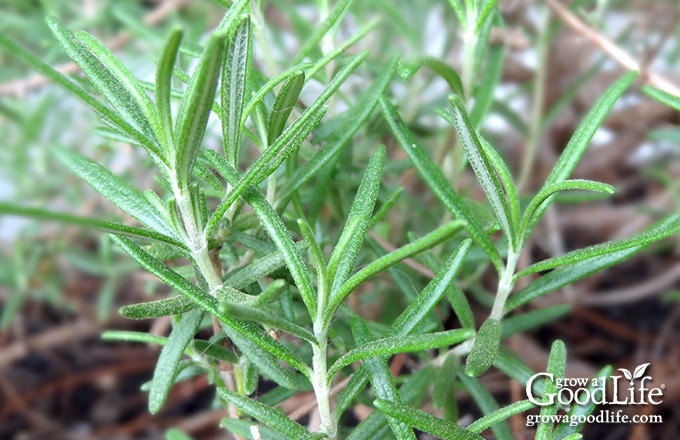
The ideal time to take rosemary cuttings is spring through early summer, when the plant is producing lots of fresh, flexible growth. These soft, green stems root more easily and recover faster than older, woody branches.
If you grow rosemary in containers and move the plants outdoors for summer, this window often coincides with the first flush of new growth after the plants have been hardened off and returned outside.
Softwood vs. Woody Stems
For best success, choose softwood or semi-softwood stems:
- Softwood stems are green, flexible, and bend easily.
- Avoid thick, brown, woody stems, which are slower to root and more likely to fail.
The goal is to catch the plant when it’s putting energy into new growth rather than flowering or coping with stress.
Can You Take Rosemary Cuttings at Other Times?
Rosemary cuttings can be taken later in summer or even indoors during winter, but rooting may take longer, and success rates are often lower. If you’re propagating during cooler months, extra patience, warmth, and bright light can help improve results.
How to Take Rosemary Cuttings (Step-by-Step)
Taking rosemary cuttings is simple, but a few small details can make a big difference in how well they root. Follow these steps to give your cuttings the best chance of success.
Step 1: Select Healthy New Growth
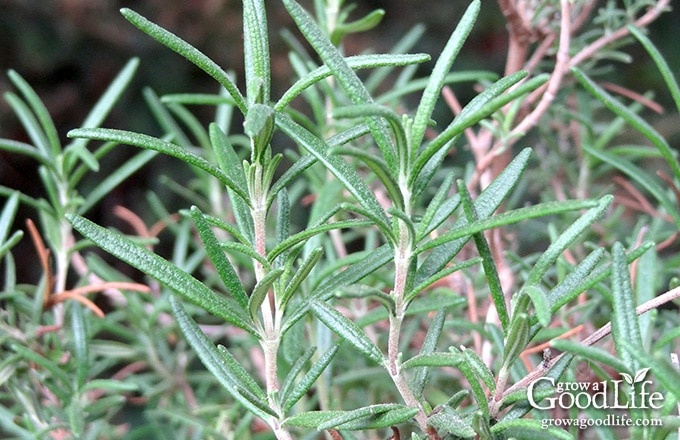
Choose stems with fresh, green growth from a healthy rosemary plant. These younger stems are flexible and bend easily, which is a sign they’re still actively growing. This is the same type of new growth that appears in spring after rosemary has been overwintered indoors or begins actively growing outdoors.
Avoid older, woody stems that are thick, brown, or brittle. They are much slower to root.
Step 2: Take the Cuttings
Using clean, sharp scissors or pruning shears, take cuttings that are about 5 to 6 inches long. Snip the stems, cutting just below a leaf node (or where leaves meet along the stem). It’s a good idea to take several cuttings at once in case some don’t survive the rooting process.
Fresh, straight cuts heal more easily and reduce the risk of rot.
Step 3: Remove the Lower Leaves
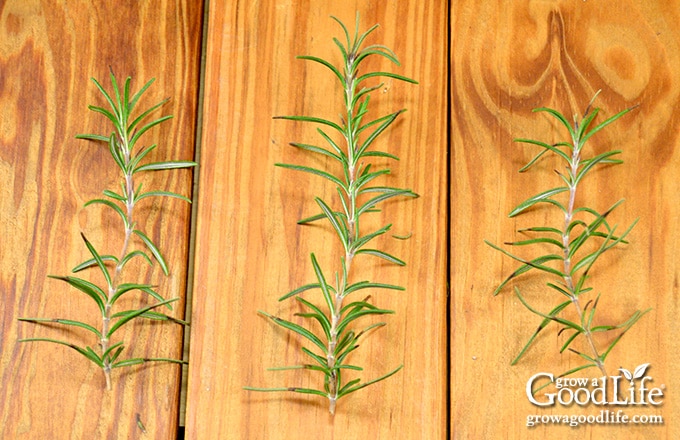
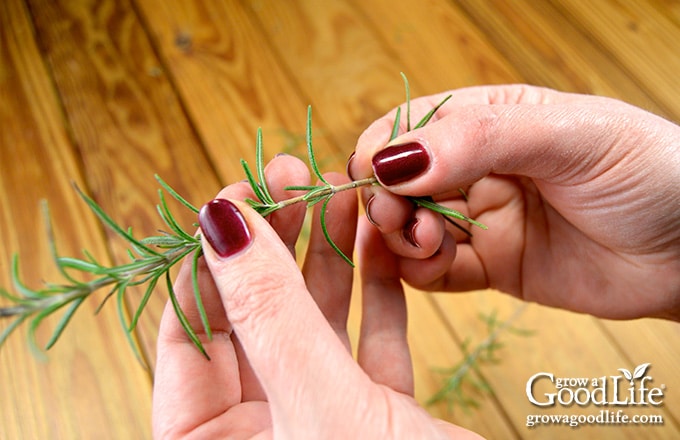
Hold the stem gently and strip off the lower 2 inches of needles, leaving several sets of leaves at the top. Removing the lower foliage keeps leaves from sitting in water or soil, which helps prevent rot and directs the plant’s energy toward forming roots.
At this point, your rosemary cuttings are ready to be rooted using either water or soil.
How to Root Rosemary Cuttings in Water
Rooting rosemary cuttings in water is an easy and beginner-friendly method, especially if you like being able to watch the roots develop. While this method can take a bit longer than soil rooting, it’s a great way to confirm which cuttings are viable before potting them up.
Step 1: Place the Cuttings in Water
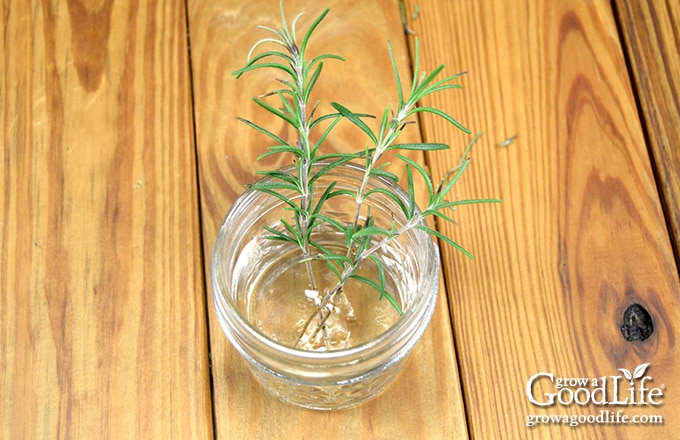
Place the prepared rosemary cuttings into a clean jar or glass filled with room-temperature water. Make sure the stripped portion of the stem is submerged, but keep the remaining leaves above the waterline.
Set the jar in a warm location with bright, indirect light. Avoid direct sunlight, which can overheat the water and stress the cuttings.
Step 2: Change the Water Regularly
Refresh the water every two to three days, replacing the old water with clean, room-temperature water each time. Fresh water provides oxygen and helps prevent bacteria buildup, which can cause the cuttings to rot.
Step 3: Wait Until Roots Form
Rosemary cuttings typically begin forming roots in 2 to 4 weeks, though cooler temperatures may slow the process. In some cases, it can take up to 6 to 8 weeks for strong roots to develop.
You’ll know a cutting is successful when you see several white roots forming along the submerged portion of the stem. Cuttings that fail to root usually turn brown, shed their needles, or become soft at the base.
Once each cutting has developed four to six roots that are at least 1/2 inch long, it’s ready to be planted in soil. At this stage, handle the roots gently because they are fragile and can break easily.
Common Issues with Water Propagation
- Cuttings turning brown or mushy: Often caused by stagnant water or low temperatures.
- No roots forming: May need more warmth or time.
- Leaves dropping: Normal to a point, but excessive leaf loss may signal stress.
If several cuttings fail, don’t get discouraged. This is why taking extras is always a good idea.
Rooting Rosemary Cuttings in Soil (With or Without Rooting Hormone)
Rooting rosemary cuttings directly in soil is another reliable method and often results in stronger roots right from the start. This approach skips the transition from water to soil and works especially well when conditions are warm and stable.
You can root rosemary cuttings in soil with or without rooting hormone. Both methods work, but each has its advantages.

Rooting Rosemary Cuttings in Soil Without Rooting Hormone
Rosemary can form roots on its own, especially when cuttings are taken at the right time and planted in the proper growing medium.
How to do it:
- Use a light, well-draining soil mix, such as a blend of all-purpose potting soil and sharp sand, or a cactus/succulent soil mix.
- Place the soil into a container, add water, and let it stand for about an hour to hydrate.
- Fill a small pot or seedling container with damp potting soil.
- Use a pencil or stick to make a hole in the soil.
- Insert the prepared cutting about 2 to 3 inches deep, making sure the stripped portion of the stem is buried.
- Gently firm the soil around the cutting and water lightly.
- Place the pots in a warm spot with bright, indirect light. Keep the soil slightly moist but never soggy. Roots typically begin to form in 3 to 6 weeks.
This method works best during spring and early summer, when rosemary is actively growing.
Rooting Rosemary Cuttings With Rooting Hormone
Using a rooting hormone can increase success rates, especially if:
- You’re propagating later in the season.
- Indoor conditions are less than ideal.
- You want faster, more consistent rooting.
Rooting hormone encourages quicker root formation and helps protect cuttings from rot.
How to use rooting hormone:
- Pour a small amount of rooting hormone (powder or gel) into a separate container.
- Dip the stripped end of each cutting into the hormone, tapping off any excess.
- Insert the cutting into pre-made holes in the soil.
- Gently firm the soil around the stem and water lightly.
Avoid dipping cuttings directly into the original container of rooting hormone, as this can introduce moisture and contamination.
Tips for Success When Rooting in Soil
- Use clean containers and fresh soil to prevent disease.
- Avoid overwatering. Too much moisture is the most common cause of failure.
- Tug gently after a few weeks; resistance usually means roots are forming.
- Remove any cuttings that turn brown or mushy to protect the others.
Potting Up Rooted Rosemary Cuttings
Once your rosemary cuttings have developed healthy roots, it’s time to move them into soil so they can continue growing. Whether your cuttings were rooted in water or directly in soil, handling them carefully during this step helps reduce transplant shock.
When Are Rosemary Cuttings Ready to Pot Up?
Rosemary cuttings are ready to be potted up when:
- They have four to six visible roots.
- Roots are at least 1/2 inch long.
- The cutting feels anchored when gently tugged.
If the roots are very small or fragile, give them a little more time before transplanting.
How to Pot Up Rooted Rosemary Cuttings
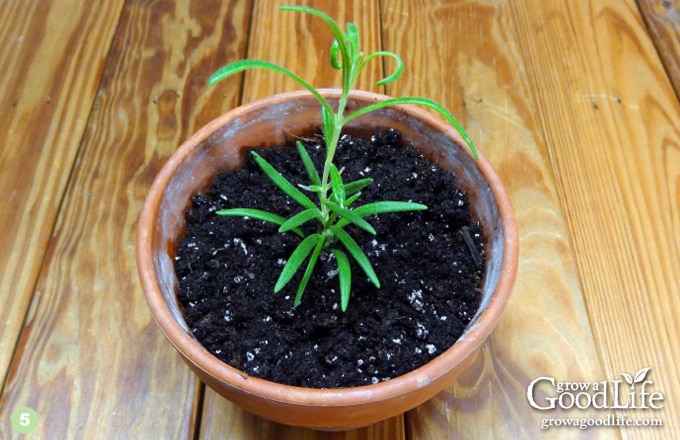
- Choose a 4-inch pot with drainage holes for each cutting.
- Use a a well-draining soil mix, such as a cactus or succulent mix.
- Place the potting mix into a bucket, add water, and let it soak for about an hour to hydrate.
- Fill the pot with damp potting soil.
- Make a hole in the soil deep enough to hold the roots comfortably.
- Place the cutting in the hole, spreading the roots gently if needed.
- Cover with soil, firm lightly, and water thoroughly.
For water-rooted cuttings, be especially gentle. Those roots are more delicate than soil-grown roots.
Aftercare for Newly Potted Cuttings
Place the newly potted rosemary plants in bright, light shade or indirect light for the first week to help them adjust. Once you see new growth, gradually move the plants into full sun, aiming for 6 to 8 hours of light per day.
Keep the soil lightly moist during the first couple of weeks, then allow it to dry slightly between waterings. Avoid harvesting until the plant has had time to establish and put on new growth.
For full rosemary care instructions, including watering, pruning, and tips for growing rosemary indoors or outdoors year-round, see: How to Grow Rosemary.
Common Problems When Propagating Rosemary
Even with the right timing and techniques, not every rosemary cutting will survive, and that’s completely normal. Taking a few extra cuttings helps ensure success. Here are some common issues you may encounter and how to address them.
Rosemary Cuttings Turning Brown or Mushy
This is usually a sign of too much moisture or poor air circulation.
- Change water more frequently when rooting in water.
- Use well-draining soil when rooting in soil.
- Avoid overwatering and remove failed cuttings promptly.
No Roots Forming
If cuttings stay green but don’t develop roots:
- Be patient, rosemary can take several weeks to root.
- Make sure the cuttings are kept warm.
- Try brighter indirect light.
Consider using rooting hormone to encourage root development.
Leaves Drying Up or Falling Off
Some leaf drop is normal, especially early on. However, excessive drying may mean:
- The air is too dry.
- The cutting is getting too much direct sunlight.
- The cutting was taken from stressed or woody growth.
Move cuttings to a more protected location and check moisture levels.
Mold or Algae Growth
Mold on soil or algae in water often points to stagnant conditions.
- Improve airflow.
- Reduce watering frequency.
- Refresh water regularly.
- Start with clean containers and fresh soil.
Propagation isn’t an exact science. It is normal to lose a few cuttings now and then. If one batch doesn’t work, adjust conditions and try again. Rosemary is resilient, and success usually improves with practice.
Frequently Asked Questions About Propagating Rosemary
Since first publishing this guide in 2015, readers from all over the world have shared their experiences and asked thoughtful questions about propagating rosemary from cuttings.
These are some of the most common questions and concerns that come up, along with answers based on years of reader feedback and hands-on experience. If your question isn’t answered here, feel free to leave a comment below.
Can rosemary be grown from cuttings?
Yes. Rosemary grows very well from stem cuttings, and this is one of the fastest and most reliable ways to grow new plants. Cuttings produce plants identical to the original and mature much faster than those grown from seed.
How long does it take for rosemary cuttings to root?
Most rosemary cuttings begin forming roots in 2 to 4 weeks, though it can take up to 6–8 weeks depending on temperature, light, and moisture. Cooler conditions slow rooting, so patience is important.
How many roots are needed before transplanting?
Wait until each cutting has four to six roots that are at least 1/2 inch long. Small roots are normal, but the cutting should feel anchored when gently tugged.
Is it better to root rosemary in water or soil?
Both methods work well. Water rooting allows you to see root development and is beginner-friendly, while soil rooting often produces stronger roots from the start. Choose the method that best fits your setup. I have successfully used both.
Do I need rooting hormone to propagate rosemary?
Rooting hormone is optional. Rosemary can root without it, especially when cuttings are taken during active growth. Rooting hormone can improve success rates and speed up rooting, particularly in cooler conditions or later in the season.
Why do you remove the lower leaves from rosemary cuttings?
Lower leaves are removed so they don’t sit in water or soil, where they can rot. Removing them also helps the cutting focus its energy on forming roots instead of supporting excess foliage.
Can I root multiple rosemary cuttings in one jar?
Yes. Rooting several cuttings at once is common and increases your chances of success. Just make sure the water is changed frequently and remove any cuttings that begin to rot.
Can woody or broken rosemary stems still root?
Woody stems can root, especially in warm climates, but they usually take longer and have lower success rates than soft, green growth. Softwood cuttings are the easiest and most reliable for beginners.
Can I propagate rosemary from a store-bought plant?
Yes. Store-bought rosemary plants can be propagated as long as the plant is healthy. Choose soft, green shoots and avoid woody or stressed growth.
Why does rosemary thrive outdoors for some people but not others?
Rosemary is highly climate-dependent. In warm, dry regions, it can grow like a shrub, while in cold or wet climates it struggles without protection. Propagation success is separate from long-term survival, which depends on local conditions.
Can I take cuttings from an old or struggling rosemary plant?
Often, yes. If the plant still has healthy green growth, you can take cuttings to preserve it. Cuttings taken before the severe decline have the best chance of success.
Can rooted rosemary cuttings be planted directly in the ground?
In warm, mild climates, rooted cuttings can often be planted directly into the ground once established. In colder regions, it’s best to grow them in containers until they develop a strong root system.

Growing New Rosemary Plants from Cuttings
Propagating rosemary from cuttings is a simple way to grow more of this fragrant herb using a plant you already have. With the right timing, a few healthy stems, and a little patience, you can turn one rosemary plant into several new ones perfect for your kitchen, patio, or sharing with friends.
Whether you choose to root your cuttings in water or plant them directly in soil, both methods work well when conditions are right. Don’t be discouraged if a few cuttings don’t make it along the way. Propagation is part experiment, part experience, and success often improves with each attempt.
Once your new plants are rooted and established, they’ll reward you with fresh growth and familiar flavor for years to come.
And if you need guidance on caring for your rosemary as it grows, including watering, pruning, and overwintering tips, be sure to visit my How to Grow Rosemary guide for everything you need to keep your plants thriving.
You May Also Like:
- How to Grow an Herbal Tea Garden
- Grow Herbs Indoors: 5 Herbs to Grow Inside
- How to Harvest and Dry Herbs for Storage

I have propagated about 5 rosemary plants from the same mother plant. The mother plant is getting woody, but is still very fragrant. All of the plants grown from the cuttings of the mother plant are not as fragrant. Also, the mother plant’s leaves are thinner that the others. Any ideas of why the difference? Thanks.
JT, It’s fantastic to hear that you’ve successfully propagated rosemary plants from the same mother plant! The difference in fragrance and leaf thickness between the mother plant and its cuttings could be attributed to various factors:
Environmental conditions, such as light, temperature, and humidity, may vary slightly between the locations where the mother plant and the propagated plants are growing. Differences in soil composition and nutrient availability could also contribute to variations in plant characteristics. As young plants, they may still be developing their full aromatic potential, and their fragrance could intensify as they continue to grow and establish themselves.
Due to these factors, it’s not uncommon for propagated plants to exhibit slight differences from their parent plants. With proper care and favorable growing conditions, the fragrance of the propagated plants will improve over time.
Hello, thanks for the tips on rooting rosemary. I live in zone 7a. I recently acquired two lovely rosemary plants, growing together in a canvas bag/growing pot. I keep it in the backyard. The plants are almost 2 feet tall. I was thinking about moving them to separate containers to bring indoors but I’m not sure if they should be kept as is since their roots are likely bundled together. I also worry about bugs and worms since I don’t know what’s in the soil.
What’s the best way to keep these plants going so that I can enjoy them all year round? Should I leave them outdoors and wrap them up somehow? Or should I bring them in for the winter? I’m worried about them dying if I don’t prep for the winter. Thank you for your help.
Alicia, I would bring your rosemary indoors for winter to keep the plants alive. Many have had success growing rosemary outdoors overwintered in a sheltered location in zone 7. However, since the plants are in a grow bag, they do not have the same insulation around the roots as it would if it was growing in the ground.
I also don’t recommend separating or transplanting the rosemary plants now because it will be too stressful for the roots to recover, plus deal with the other challenges it will face to survive winter indoors.
I do recommend quarantining your plants as you transition them to indoor growing conditions. Keep them in a separate room away from houseplants and watch them carefully for unwanted insects. You will also need to find a large pot or container to place the grow bag in to prevent moisture from damaging your floor. I hope this helps! ~Rachel
I have a rosemary plant/bush in a raised heard garden. I’ve had it about 5 years. It overwinters fine (I am in zone 8a) however, this past summer many leaves turned brown. I pruned back all the brown branches and am thinking of relocating it from the raised bed to the ground. I am curious if it is dying or if transplanting it could save it.
Kimberly, I wouldn’t transplant it right now. If the rosemary is still alive, it is already stressed from whatever is caused the branches to brown. I would let it be to see if it survives over winter.
Some of my rosemary cutting have roots but the ends turned brown. I scraped off the brown and left the roots. What is this brown like “film”? Should I just leave it?
Kandace, A film forming on the roots can be from bacteria. Roots need water and oxygen to root. If the water is stagnant, it gives bacterial a perfect environment to begin forming on the stems sitting in water and coat the stems with a gooey film. As you stems are rooting, be sure to change the water frequently and rinse off any the slimy film when you change the water. Once your cuttings have roots, go ahead and transfer them to a potting mix right away.
Is it possible to save a cutting that is turning brown? Is there any way to plant it in a pot and bring it back to life?
Makeda, I am sorry, it is likely no longer alive if it is turning brown.
Thank you for this great information i live zone 9a and would love as many rosemary plants in my yard as possible.. Would a succulent soil mix work for rosemary?
Yvonn, Succulent soil mix would be perfect for rosemary.
I thought rosemary was suppose to repel ants so I planted one in a raised rose garden bed. The ants made such a
large mound, it almost co vered the entire plant! What about that?
Mary, Well, your ants have proven that theory wrong. Sometimes these old wives tales get told again and again without anyone testing to see if it is true.
I have found that mint plants in your garden will keep ants away