
Ways to Preserve Zucchini: Freezing, Drying, Canning, and More
This post may contain affiliate links, which means that I may receive a commission if you make a purchase using these links. As an Amazon Associate I earn from qualifying purchases.
Are you buried in zucchini yet? It starts innocently enough with one or two tender squash from the garden. Then suddenly, there are zucchini on the counter, zucchini in the fridge, zucchini hiding under the leaves, and neighbors quietly avoiding eye contact because they know you are about to offer them more.

Zucchini is one of those generous garden crops that keeps producing once summer gets rolling. A few healthy plants can provide plenty for grilling, sautéing, stuffing, baking into zucchini garlic bites, and adding to summer meals. But after you have eaten your fill, it helps to have several ways to preserve zucchini so none of the harvest goes to waste.
The good news is that zucchini is very versatile. You can freeze it for baking and cooking, dehydrate it for pantry storage, turn it into pickles and relish, or cook it into freezer-friendly meals to enjoy later. This guide will walk you through the best ways to preserve zucchini and summer squash so you can choose the method that fits how you plan to use it.
When to Harvest Zucchini for Preserving
The best zucchini for preserving are usually small to medium-sized fruits with tender skins and small seeds. These are easier to slice, shred, pickle, freeze, and dehydrate because the flesh is firm and mild.
For most preserving methods, harvest zucchini when they are about 6 to 8 inches long. At this stage, they are tender enough for pickles, relish, freezing, dehydrating, and everyday cooking.

Larger zucchini are still useful, but they may have tougher skins, larger seeds, and a more watery texture. These oversized squash are best shredded for baking, cooked into soups or sauces, used in freezer-friendly recipes, or used in home canned zucchini relish where the texture matters less.
If you grow your own zucchini, check the plants often during peak season. Zucchini can grow surprisingly fast, especially after warm weather and rain. Picking regularly also encourages the plants to keep producing.
Learn more about growing, harvesting, and troubleshooting zucchini here: How to Grow Zucchini.
How to Store Fresh Zucchini Short Term
Before you start preserving, you may need to store your zucchini for a few days until you have enough for a batch.
For short-term storage, keep fresh zucchini in the refrigerator. Do not wash it before storing, because extra moisture can encourage soft spots and spoilage. Brush off any garden soil, then tuck the zucchini into a breathable produce bag or loosely wrapped towel and store it in the crisper drawer.
Fresh zucchini is best used within about a week. If the squash begins to soften, wrinkle, or develop blemishes, move it to the top of your preserving list. Once zucchini starts breaking down, the quality will continue to decline.
If your harvest is piling up faster than you can cook it, choose one of the preserving methods below.
Best Ways to Preserve Zucchini
There is no single best way to preserve zucchini because each method gives you a different finished product. The best choice depends on how you want to use it later.
Freezing is the easiest option for cooking and baking later on. Dehydrating is great when freezer space is limited. Pickles and relishes are perfect when you want shelf-stable jars for sandwiches, burgers, and a zippy condiment for meals. You can also cook zucchini into recipes and freeze the finished dishes for later.
Here are the main ways I preserve zucchini:
- Freeze zucchini for soups, casseroles, baked goods, stir-fries, and quick meals.
Dehydrate zucchini for shelf-stable pantry storage. - Preserve zucchini pickles and relishes in a water bath canner, or pressure can zucchini with tomatoes.
- Cook zucchini into freezer-friendly recipes.
- Use summer squash in many of the same ways when a recipe allows it.
Let’s look at each method more closely.
Freeze Zucchini for Cooking and Baking
Freezing zucchini is one of the easiest ways to preserve zucchini, especially when the harvest comes in all at once. Frozen zucchini is handy to have on hand for soups, sauces, casseroles, stir-fries, frittatas, muffins, quick breads, and other baked goods.
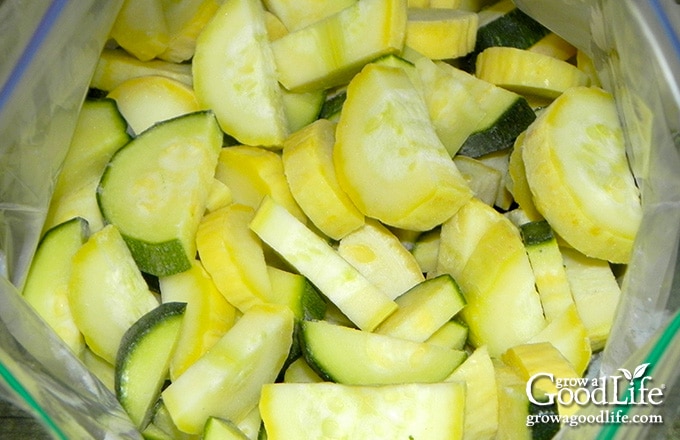
Zucchini contains a lot of water, so the texture will soften after freezing and thawing. It will not have the same crisp texture as fresh zucchini, but it works beautifully in cooked recipes.
There are several ways to freeze zucchini depending on how you plan to use it:
Freeze Zucchini Slices or Pieces
Zucchini slices, cubes, or chunks are useful for soups, stews, casseroles, stir-fries, skillet meals, and pasta dishes. Keep the pieces frozen until you are ready to use them, and add them directly to your recipe.
Frozen zucchini cooks quickly, so add it near the end of cooking when possible to prevent it from becoming too soft.
Freeze Shredded Zucchini
Shredded zucchini is one of the most useful ways to stock the freezer. It is perfect for zucchini bread, muffins, pancakes, fritters, frittatas, quiche, soups, and casseroles.
Thaw frozen shredded zucchini before using. For baked goods, you can often keep the liquid if the recipe expects moist shredded zucchini. For savory recipes such as frittatas, quiche, and fritters, drain off excess liquid so the recipe does not become watery.
Freeze Zucchini Noodles
Zucchini noodles, or zoodles, can be frozen and added to soups, stir-fries, or quick skillet meals. They soften quickly, so cook them briefly. Frozen zucchini noodles are best used in cooked dishes rather than as a substitute for fresh spiralized zucchini.
Freeze Zucchini Halves
Zucchini halves can be blanched and frozen for stuffed zucchini boats. Thaw before filling and baking with your favorite stuffing. You can also drizzle thawed zucchini halves with olive oil, garlic, and herbs, then roast until tender.
Freeze Zucchini Purée
Zucchini purée is a handy freezer ingredient for smoothies, soups, sauces, and baked goods. It is also a good way to use larger zucchini that may not be ideal for pickling or slicing.
You can use zucchini purée in many baked goods that call for shredded zucchini, but keep in mind that purée blends into the batter more evenly and may change the texture slightly.
- For step-by-step instructions, including blanching and packaging tips, see: 5 Ways to Freeze Zucchini.
Dehydrate Zucchini for Pantry Storage
Dehydrating zucchini is another easy way to preserve zucchini, and it is especially helpful if freezer space is limited. Once dried, zucchini takes up very little room. Several pounds of fresh zucchini can shrink down enough to fit into a jar.
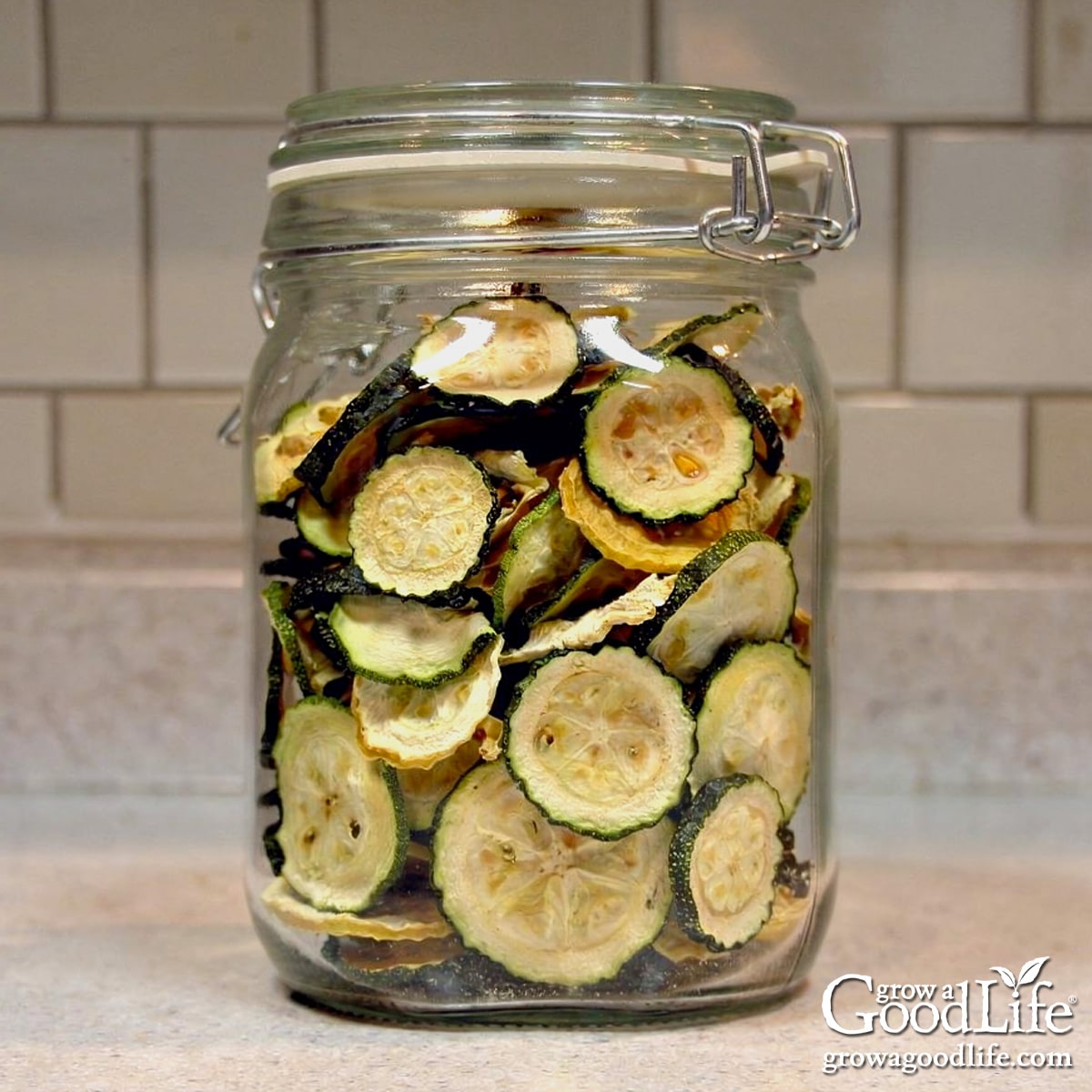

Best Zucchini for Dehydrating
Small to medium zucchini are best for dehydrating because they have tender skins and fewer seeds. Slice the zucchini evenly so the pieces dry at the same rate, and dehydrate in a single layer so air can circulate around the pieces.
Larger zucchini can also be dehydrated, but you may want to peel tough skins and scoop out large seeds before slicing or shredding.
Ways to Use Dried Zucchini
Dried zucchini can be stored in the pantry and added to cooked dishes throughout the year. It works well in soups, stews, pasta dishes, casseroles, rice dishes, and sauces.
To use dehydrated zucchini in soup, simply add it to the pot while the soup simmers. For pasta dishes, you can add dried zucchini to the boiling water at the same time you add the pasta. By the time the pasta is done, the zucchini will have softened too.
You can also grind fully dried zucchini into powder. Zucchini powder can be added to soups, sauces, smoothies, baked goods, and casseroles for a little extra garden goodness. It is a great way to use up zucchini when you want the flavor and nutrients to blend into the background.
- For detailed instructions using a food dehydrator or oven, see: How to Dehydrate Zucchini for Food Storage.
Home Canning Zucchini Pickles, Relish, and Zucchini with Tomatoes
Zucchini can be preserved in shelf-stable jars when you follow a tested canning recipe. The canning method depends on the recipe.

Plain zucchini is a low-acid vegetable, so it is not safe to can on its own. However, zucchini can be safely preserved in tested recipes that use the correct canning method. Pickled zucchini and zucchini relish are acidified with vinegar and processed in a water bath canner, while zucchini with tomatoes is processed in a pressure canner.
Always follow the tested recipe as written, including prepping the ingredients, cooking process, type and amount of vinegar or added acid, jar size, headspace, preparation steps, and processing method.
Bread and Butter Zucchini Pickles
Bread and butter zucchini pickles are sweet, tangy, and full of old-fashioned pickle flavor. They are made with sliced zucchini, onions, vinegar, sugar, and warm pickling spices.
These pickles are delicious served with burgers, sandwiches, grilled meats, and simple summer meals. They are also a great option when you want a cucumber-style pickle but have more zucchini than cucumbers.
- Get the recipe: Bread and Butter Zucchini Pickles Canning Recipe
Dill Pickled Zucchini
Dill pickled zucchini is a good choice if you enjoy the briny flavor of dill pickles. Zucchini slices or spears are packed with dill, garlic, vinegar brine, and seasonings, then processed for pantry storage.
The texture will be different from cucumber pickles, but the flavor is bright, tangy, and satisfying. These are great for snacking, sandwiches, relish trays, and chopping into salads.
- Get the recipe: Dill Pickled Zucchini Canning Recipe
Sweet Zucchini Relish
Zucchini relish is one of the best ways to use a large harvest. Shredded zucchini is combined with sweet bell peppers, onions, vinegar, sugar, and spices to create a sweet and tangy relish.
Use zucchini relish on burgers, hot dogs, sandwiches, sausages, deviled eggs, potato salad, pasta salad, and picnic foods. It is one of those pantry jars that disappears quickly once grilling season begins.
- Get the recipe: Sweet Zucchini Relish Canning Recipe
Spicy Zucchini Relish with Horseradish
If you like a little extra zip, spicy zucchini relish with horseradish is a flavorful variation. It has the same usefulness as classic relish, but with a bolder flavor that pairs well with grilled meats, sandwiches, and hearty meals.
- Get the recipe: Spicy Zucchini Relish with Horseradish
Zucchini with Tomatoes
Zucchini with tomatoes is a savory pressure canning recipe that combines garden zucchini with tomatoes for a ready-to-use pantry ingredient. Each batch uses 3 pounds of zucchini, making it a helpful option when the summer squash harvest is coming in quickly.

Use the jars as a starting point for soups, stews, casseroles, skillet meals, pasta sauce, chili, and other cooked dishes. Since this recipe includes low-acid zucchini, it must be processed in a pressure canner according to the tested recipe directions.
- Get the recipe: Zucchini with Tomatoes Canning Recipe
Cook with Zucchini and Freeze the Extras
Another practical way to preserve zucchini is to cook it into recipes and freeze the finished dish. This is especially helpful when you have zucchini that needs to be used soon, but you do not have time for canning or dehydrating.

Many zucchini recipes freeze well, especially baked goods and cooked dishes. This turns your summer harvest into easy meals and snacks for later.
Good freezer-friendly zucchini recipes include:
- Zucchini bread
- Zucchini muffins
- Zucchini garlic bites
- Zucchini lasagna
- Zucchini fritters
- Zucchini roll ups
- Zucchini casseroles
- Soups and sauces with zucchini
For baked goods, cool completely before wrapping and freezing. Quick breads and muffins can be frozen whole or sliced. Slices are easy to grab for snacks, breakfasts, or lunchboxes.
For cooked meals, portion into freezer-safe containers, label with the name and date, and freeze. Thaw in the refrigerator before reheating for best texture.
This is a great option for oversized zucchini too. Shred or dice the squash, cook it into a recipe, and freeze the finished food instead of trying to preserve the zucchini by itself.
Can You Preserve Yellow Summer Squash the Same Way?
Yes, yellow summer squash can be preserved in many of the same ways as zucchini. Both are tender summer squash with similar texture and acidity, so they are generally interchangeable in tested recipes written for zucchini, yellow summer squash, or summer squash.
You can freeze yellow summer squash in slices, pieces, or shreds, dehydrate it for pantry storage, or use it in tested pickle and relish recipes. As with zucchini, smaller squash will give you the best results because the skins are tender, the seeds are small, and the flesh is firm.
For canning, yellow summer squash and zucchini can usually be swapped for one another in tested recipes for pickles, relish, and other summer squash preserves. Just be sure to keep the total amount of squash the same, follow the vinegar and ingredient proportions exactly, and process the jars according to the recipe directions.
If you have yellow squash to preserve, try these tested canning recipes:
Both zucchini and yellow summer squash are low-acid vegetables, so they should not be canned plain in a water bath canner. For shelf-stable jars, stick with tested pickling, relish, or pressure canning recipes and avoid making changes that could affect the safety of the finished product.
What About Oversized Zucchini?
It happens to everyone. One day the zucchini is the perfect size, and the next day it is hiding under a leaf pretending to be a baseball bat.
Oversized zucchini are not ideal for every preserving method, but they are still useful. The larger the zucchini gets, the more likely it is to have tough skin, large seeds, and watery flesh.
To use oversized zucchini, peel the tough skin if needed, slice it open, and scoop out the seeds. Then use the firm flesh for shredding, baking, soups, sauces, purée, casseroles, or freezer meals.
Best uses for oversized zucchini include:
- Shredded zucchini for baking
- Zucchini bread and muffins
- Zucchini purée
- Soups and sauces
- Casseroles
- Cooked freezer meals
- Dehydrated zucchini powder
Avoid using very large, seedy zucchini in recipes where texture matters, such as zucchini pickles. Smaller zucchini will give you a better finished pickle. However, zucchini relish is a great way to preserve larger fruit.
Choosing the Best Way to Preserve Zucchini
The best way to preserve zucchini depends on how you want to use it later, how much freezer or pantry space you have, and how much time you have to process the harvest.
- Refrigerate fresh zucchini if you plan to use it soon: Store unwashed zucchini in the refrigerator and use it within about a week for the best flavor and texture.
- Freeze zucchini slices or pieces for cooked meals: This is a good option for soups, casseroles, sautés, stir-fries, and skillet meals. Frozen zucchini softens as it cooks, so it works best in recipes where a tender texture is expected.
- Freeze shredded zucchini for baking: Shredded zucchini is perfect for zucchini bread, muffins, fritters, frittatas, quiche, and casseroles. Freeze it in recipe-sized portions so it is easy to thaw and use later.
- Freeze zucchini noodles for quick-cooking dishes: Zoodles are best added directly to soups, stir-fries, and skillet meals. They soften quickly, so cook them briefly.
- Freeze zucchini purée for blending into recipes: Zucchini purée works well in smoothies, soups, sauces, and baked goods where you want the zucchini to disappear into the recipe.
- Dehydrate zucchini if you are short on freezer space: Dried zucchini takes up very little room and stores well in the pantry. Use it in soups, pasta dishes, casseroles, sauces, or grind it into zucchini powder.
- Can zucchini pickles if you want a tangy side dish: Use a tested recipe for bread and butter zucchini pickles or dill pickled zucchini, and follow the vinegar, jar size, and processing instructions exactly.
- Can zucchini relish for sandwiches and cookouts: Zucchini relish is a great pantry staple for burgers, hot dogs, sandwiches, potato salad, pasta salad, and deviled eggs.
- Pressure can zucchini with tomatoes for a savory pantry ingredient: This is a good option if you want shelf-stable jars for soups, casseroles, pasta sauce, and skillet meals. Since zucchini is low acid, follow the tested recipe and pressure canning instructions exactly.
- Cook with zucchini and freeze the finished recipe: This is a good option for zucchini bread, muffins, lasagna, fritters, casseroles, soups, and other prepared foods.
If you are short on time, freezing shredded zucchini is usually the fastest option. If you are short on freezer space, dehydrating is a great choice. If you want shelf-stable jars for the pantry, choose a tested zucchini pickle or relish recipe.
Frequently Asked Questions About Preserving Zucchini
Still wondering what to do with all that zucchini? Here are some quick answers to common questions about storing, freezing, dehydrating, and safely canning zucchini so you can choose the best way to preserve your harvest.

Keep the Zucchini Harvest Going
Zucchini may be famous for overwhelming gardeners, but that abundance is also part of its charm. With a few simple preserving methods, you can turn the summer surplus into freezer staples, pantry jars, dried vegetables, and ready-made meals for later.
Freeze some for baking, dehydrate a batch for soups and pasta, tuck a few jars of relish or pickles on the pantry shelf, and cook the rest into recipes you will be glad to find in the freezer on a busy day.
The next time the zucchini starts piling up on the counter, you will have plenty of ways to preserve it and enjoy that garden harvest long after summer fades.

Thanks for sharing your post at the HomeAcre Hop!
Pinned on the HomeAcre Faves board and this post will be my featured post tomorrow 🙂
Pickling zucchini – what a great idea! I never thought of that. I can eat zucchini everyday though so I seldom have extra, even with a huge harvest!
I never dreamed of making pickles out of zucchini! Wow I am going to try that since we are swimming in them! My mom made pineapple zucchini when I was a kid and we loved it!
Tracy, Thanks for stopping by. I hope you with give zucchini pickles a try.
We love summer squash so much we could eat it every day. One summer our cucumber didn’t do well, so I made our bread and butter pickles with zucchini instead. I chopped everything up so it was more like a sweet relish. Thanks for sharing with us at Simple Lives Thursday! I can’t wait to see what you share this week.
Angie, This is how I made my first jar of zucchini pickles. I didn’t have enough cucumber pickle jars to fill the canner, so I made up a few with zucchini to fill the pot. I was surprised that it tasted the same. We loved it.
Rachel our zucchini didn’t come up this year. Crazy right! Loved your post though.
Hugs,
Valerie
Valerie, I do two plantings of zucchini and summer squash a season. One in spring and one about a month later when the spring greens are finished. That way if the first batch has issues, I have a backup.
I’ve never tried pickling zucchini before. What’s the texture like?
Thomas, it is very similar to regular cucumber pickles but a little softer if the zucchini is old. Freshly picked works best.
Thanks for the instructions. Impetus for me to freeze and dehydrate some of the excess this week. The pickles are good too, but I’m way too lazy to try canning them.
Dave, skip the canning and store in the refrigerator. They should last a few months before getting soggy.
Very cool, Dave! Thanks for sharing.
zucchini relish is very nice, too!
Yes, zucchini relish is a great way to use up that extra zucchini too! Thanks for the suggestion.
Ooh, I haven’t tried tried pickling them yet! Maybe our garden will squeeze out a couple more.
Rebecca, I hope you give zucchini pickles a try.
Oh how I wish I was sick of zucchini. I don’t know why I have such a hard time growing them. I got a few so I am making zucchini bread. It’s like my relationship with roasting turkeys…. why is it I can cook everything except a turkey properly?
frabjus, Luckily there are plenty of zucchini and summer squash available at farmers markets and grocery stores this time of year.