
Ways to Preserve Potatoes: Storage, Freezing, Canning, and Drying
This post may contain affiliate links, which means that I may receive a commission if you make a purchase using these links. As an Amazon Associate I earn from qualifying purchases.
Have more potatoes than you can use right away? Learn how to preserve potatoes by storing, freezing, pressure canning, or dehydrating them so you can enjoy your harvest for months to come.

Potatoes are one of my favorite crops to grow for winter food storage because, when they are cured and stored properly, they can keep for months in a root cellar or cool area without any additional processing. But not every potato needs to be preserved the same way, and sometimes storage conditions do not cooperate as well as we would like.
Over the years, I have developed a routine that uses several preservation methods depending on the crop. My main crop of potatoes is planted in spring, harvested in fall, cured, and stored in a cool corner of our basement for winter. I also grow a later crop of red potatoes that I harvest small just before the ground freezes and pressure can for the pantry.
Throughout the winter, I check the stored potatoes regularly. If I notice that they are beginning to soften or sprout earlier than expected, I freeze the usable ones before they have a chance to go to waste.
If you are wondering how to preserve potatoes from your garden, a farmers market, or a good sale at the grocery store, you have several options. Potatoes can be cured and stored fresh, frozen for future meals, pressure canned for shelf-stable storage, or dehydrated for the pantry. The best method depends on the condition of the potatoes, how you plan to use them, and how long you need them to keep.
If you are planning next year’s crop with storage in mind, you may also find How to Grow Potatoes helpful.
Choosing the Best Way to Preserve Potatoes
Before you start filling freezer bags or canning jars, take a look at the potatoes you have. Healthy, mature, whole potatoes that are good keepers may need nothing more than proper curing and storage, while others may be better suited for freezing or canning.
Here are some ways to decide which preservation method makes the most sense:
- Healthy, mature storage potatoes: Cure and store them fresh for winter. This is the simplest option for potatoes that are in good condition and suited to long-term storage.
- Small, firm potatoes: Pressure canning is a convenient way to preserve them for shelf-stable food storage. I especially like canning the small red potatoes from my late-season crop.
- Potatoes beginning to soften or sprout: If they are still sound and usable, consider freezing them before their quality declines further.
- Potatoes you want ready for specific meals: Freeze them as cubes, French fries, shredded hash browns, or mashed potatoes so much of the preparation is already done.
- Potatoes you want in ready-to-heat pantry meals: Tested pressure-canning recipes can combine potatoes with meat, broth, and other vegetables for convenient meals in a jar.
- Potatoes you want to preserve without taking up freezer space: Dehydrating is another option for making potatoes shelf stable.
Whichever method you choose, start with potatoes that are still wholesome and suitable for eating. Preserving can extend the life of good potatoes, but it cannot make spoiled potatoes safe or improve potatoes that have already deteriorated too far.
For most freshly harvested potatoes in good condition, my preferred method is to cure and store them in a cool, dark place.
Cure and Store Potatoes for Winter
Curing and storing is the way I preserve most of our potato harvest. It requires very little processing, and it lets us enjoy homegrown potatoes much as we would use fresh potatoes from the garden.

I plant my main crop in spring and harvest it in fall after the plants have finished growing. Potatoes that are mature, undamaged, and suitable for storage are cured before being packed away in our cool basement for winter.
Curing allows the skins to toughen and minor harvest injuries to heal, which helps the potatoes keep longer in storage. Once cured, they should be kept in a cool, dark, humid, and well-ventilated location where they are protected from freezing and light.
A simple approach to storing potatoes is to:
- Harvest mature potatoes carefully to avoid cuts and bruises.
- Set aside damaged potatoes to use first rather than placing them in long-term storage.
- Cure the potatoes before packing them away.
- Store them in a cool, dark location with good airflow.
- Check the potatoes regularly throughout winter and remove any that are deteriorating.
I make a point of checking our stored potatoes often instead of putting them away and forgetting about them. This gives me a chance to catch problems early. If the potatoes begin softening or sprouting before we can use them, I can move the sound ones into the freezer rather than lose them.
For detailed instructions on curing, packing, and maintaining the right storage conditions, see How to Store Potatoes for Winter.
Freeze Potatoes Before They Go to Waste
Freezing is another useful way to preserve potatoes, especially when stored potatoes are beginning to decline before you have a chance to use them.

I check our stored potatoes regularly throughout the winter. Most years they keep well for months, but storage conditions can vary. If winter is warmer than expected, the basement may not stay as cool as usual, and the potatoes can begin to soften or sprout earlier than I would like.
When that happens, I sort through the potatoes and freeze the ones that are still sound and usable rather than letting them go to waste. I have found that even slightly softened potatoes can still be worth freezing. They may not have the same firm texture after cooking, but if they turn out a little soft, they are still useful for mashed potatoes, blended soups, and other dishes where texture isn’t as important.
Freezing can also be part of your preservation plan from the beginning. Preparing potatoes for the freezer in different forms gives you convenient ingredients that are ready to pull out for future meals.
Ways to Freeze Potatoes
Depending on how you like to cook, potatoes can be prepared for the freezer in several ways:
- Diced or cubed potatoes are handy for soups, stews, casseroles, and skillet meals.
- French fries can be prepared ahead and frozen for an easy homemade side dish.
- Shredded potatoes can be frozen in portions for making hash browns.
- Mashed potatoes freeze well and are especially useful if you already have cooked potatoes to preserve.
Potatoes shouldn’t simply be placed in the freezer raw. Cooking or blanching potatoes before freezing helps slow the enzyme activity that can cause changes in flavor, color, and texture during frozen storage. Flash freezing on a cookie sheet before packing into plastic bags helps prevent the pieces from sticking together, allowing you to grab a handful as needed for meals.
For complete instructions for preparing and freezing potatoes in several different forms, see How to Freeze Potatoes. If you want to stock your freezer with homemade fries, see How to Freeze Potato French Fries for the step-by-step method.
Pressure Can Potatoes for Shelf-Stable Storage
While I prefer to cure and store most of our potato harvest, I also grow some potatoes specifically for pressure canning.
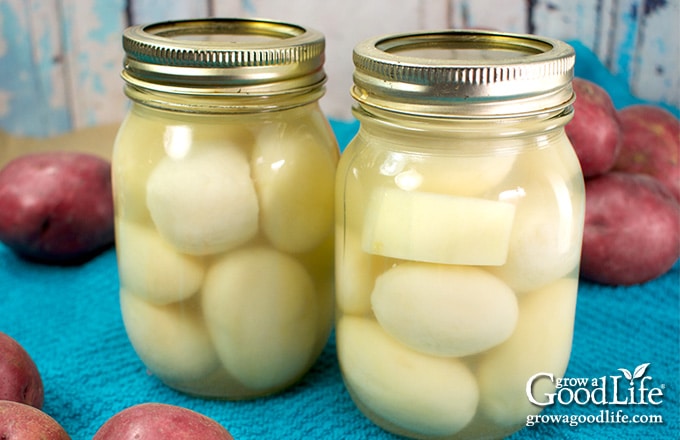
Later in the season, I plant a second crop of red potatoes and harvest them small just before the ground freezes. These smaller potatoes are pressure canned and stored in the pantry.
The storage potatoes carry us through most of the winter, and the canned potatoes help fill the gap once the stored crop is gone and before the next year’s potatoes are ready to harvest.
I like this approach because canned potatoes are already cooked and shelf stable, making them convenient to have on hand for quick meals. They can be drained and used in potato salad, soups, stews, skillet meals, air-fried, or wherever a cooked potato would be useful.
Potatoes are a low-acid vegetable and must be processed in a pressure canner using tested instructions. For the full preparation and pressure-canning instructions, including processing times and altitude adjustments, see Canning Potatoes: How to Pressure Can Potatoes for Food Storage.
Preserve Potatoes in Meals in a Jar
Another way to preserve part of your potato harvest is to use potatoes in tested pressure-canning recipes that combine them with meat, broth, and other vegetables. Instead of preserving potatoes as a single ingredient, these recipes turn them into shelf-stable meals that are ready to heat and serve.

This can be especially useful during the busy winter months when you want something hearty without spending a lot of time preparing dinner. Potatoes work well in several of the meal-in-a-jar recipes I make for our pantry.
Beef Stew Canning Recipe
This home-canned beef stew combines potatoes with beef, carrots, celery, onions, thyme, and beef stock for a hearty meal that only needs to be heated before serving. The recipe is based on a tested Ball beef stew recipe and includes potatoes as part of the tested formula.
- Get the recipe: Canning Beef Stew
Chicken and Gravy Canning Recipe
Chicken and gravy is another convenient meal-in-a-jar recipe that includes diced potatoes along with chicken, onions, celery, broth, and seasonings. It is based on the tested Chicken & Gravy Dinner in a Jar recipe from The All New Ball Book of Canning and Preserving.
- Get the recipe: Chicken and Gravy Canning Recipe
Beef Pot Roast Canning Recipe
This pot roast in a jar combines beef chuck, potatoes, carrots, onions, celery, broth, and seasonings into an easy heat-and-serve meal. The recipe is also based on a tested Ball meal-in-a-jar recipe.
- Get the recipe: Beef Pot Roast Canning Recipe
When pressure canning meals that contain potatoes, follow a tested recipe as written rather than adding potatoes to another soup, stew, or meat recipe on your own. Tested meal-in-a-jar recipes account for the ingredients, proportions, preparation, jar size, and processing method needed for safe canning.
Dehydrate Potatoes for Pantry Storage
Although I usually preserve potatoes by storing, freezing, or pressure canning them, dehydrating is another option for turning potatoes into a compact, shelf-stable pantry ingredient.
Potatoes need some preparation before drying. They are washed, peeled, cut into thin slices or strips, blanched, and then dried until brittle. Once properly dehydrated and stored, they can be rehydrated for cooking or added directly to dishes such as soups and stews.
Because dehydrating potatoes isn’t a method I use regularly, I prefer to point you to a trusted, research-based resource rather than duplicate instructions I haven’t tested myself.
Colorado State University Extension has a detailed Drying Potatoes guide that walks you through selecting and preparing the potatoes, blanching, dehydrator temperature and drying time, checking for doneness, packaging, storage, and ways to use the dried potatoes.
Make the Most of Your Potato Harvest Before It Spoils
Preserving potatoes doesn’t have to be a one-time decision made right after harvest. One of the most useful habits I have developed is checking our stored potatoes regularly throughout the winter and adjusting my plans as their condition changes.

Some varieties, such as russet potatoes will keep beautifully for months, while others may begin to soften, sprout, or show signs that they should be used sooner. By catching those changes early, you still have time to cook with the potatoes or move the sound ones into another preservation method before they are lost.
Here are a few ways to make the most of your harvest:
- Use damaged potatoes first: Potatoes with cuts, bruises, or other harvest damage are less likely to store well, so set them aside for meals soon after harvest.
- Keep an eye on potatoes in storage: Check them regularly for spoilage and remove any that are beginning to rot, deteriorate, or show signs of wrinkles so they don’t affect the rest of the crop.
- Use shorter-keeping varieties first: If you grow several types of potatoes, plan to use varieties that don’t store as long before the best keepers.
- Freeze potatoes before they decline too far: If stored potatoes begin to soften or sprout but are still sound and usable, freezing can give you more time to use them.
- Preserve some potatoes intentionally: Canning or freezing a portion of the harvest gives you convenient options later and means you aren’t relying entirely on fresh storage.
I like to think of potato preservation as an ongoing process rather than a single method. The best potatoes go into storage, some are canned or frozen for convenience, and the stored crop is monitored throughout winter so I can change course if needed.
That flexibility helps stretch the harvest further and reduces waste. Instead of expecting every potato to last until spring, you can use several preservation methods together and make the most of the crop as it changes over time.
Frequently Asked Questions About Preserving Potatoes
If you have a large harvest or a supply of potatoes that needs to be used soon, you may be wondering which preservation method is best and what is safe to do. Here are answers to some common questions about storing, freezing, canning, and drying potatoes.
Preserve Your Potato Harvest for the Months Ahead
A good potato harvest can feed you for months, especially when you use several preservation methods together. Start by curing and storing the best keepers, freeze potatoes that need to be used sooner, and pressure can some for convenient shelf-stable meals. Dehydrating can also offer another way to extend the harvest when it fits your needs.
For me, preserving potatoes is less about choosing one method and more about paying attention to the crop throughout the year. The main harvest goes into storage, the small late-season potatoes are canned, and I keep an eye on the stored potatoes through winter so I can freeze them if they begin to decline before we can use them.
That flexibility helps us make the most of what we grow and keeps homegrown potatoes on the table long after the garden has gone dormant. By the time the last stored, frozen, or canned potatoes are used, the next crop is usually not far behind.
