
Herbs That Grow in Shade and Partial Shade Gardens
This post may contain affiliate links, which means that I may receive a commission if you make a purchase using these links. As an Amazon Associate I earn from qualifying purchases.
Not all herbs need full sun. Discover culinary herbs that grow in partial shade and learn how to make the most of shady garden spaces.

If you’re growing an edible landscape, you may wonder which herbs grow in shade and how to make use of the shadier spots near buildings, fences, or beneath mature trees. While many vegetables and herbs prefer full sun, there are plenty of culinary herbs that grow well in partial shade and dappled light.
In fact, some leafy herbs actually appreciate a bit of protection from intense afternoon sun, especially during the heat of summer. With the right choices, those partially shaded areas can become a productive and fragrant herb garden that provides fresh flavor for your kitchen all season long.
If you’re also planning your vegetable beds, be sure to see my guide to 30+ Vegetables That Grow in Shade for Partial Shade Gardens. Pairing shade-tolerant vegetables and herbs is a simple way to make the most of every corner of your yard.
Below, you’ll find perennial and annual culinary herbs that grow in partial shade, along with tips for growing and harvesting each one.
Understanding Light Levels in a Shade Garden
All plants need sunlight to generate nourishment through photosynthesis, but each plant requires a different amount to grow and remain healthy. Some herbs need full sun to thrive, while others can do quite well with various levels of partial sun and partial shade.
Understanding the differences between full sun, partial sun, partial shade, and full shade will help you choose herbs suited to your growing conditions and make the most of your space.
- Full Sun: An area that receives at least 6 hours of direct sunlight per day. The hours do not need to be continuous, as long as the light is direct.
- Partial Sun: 3–6 hours of direct sunlight each day, with shade during the remaining hours.
- Partial Shade: 2–4 hours of direct sun, or bright, filtered light throughout the day, such as sunlight that passes through tree branches.
- Full Shade: Less than 2 hours of direct sunlight per day.
Most culinary herbs that grow in shade actually prefer partial sun to partial shade. Keep in mind that sunlight shifts throughout the growing season as the sun’s position changes, so use these definitions as a guideline rather than a strict rule.
If a plant doesn’t seem happy in its location, don’t be afraid to experiment. Many herbs can be dug up and moved to a brighter or more protected spot if needed.

Can Herbs Grow in Full Shade?
You may wonder whether herbs will grow in full shade. The honest answer is that very few culinary herbs truly thrive in areas that receive less than 2 hours of direct sunlight per day.
Most herbs that grow in shade actually prefer partial sun to partial shade. In very low light conditions, plants may survive, but growth will be slower, stems may stretch toward the light, and flavor may be milder.
If your garden space is in full shade, look for spots that receive at least a few hours of morning sun or bright, filtered light throughout the day. Leafy herbs tend to tolerate lower light better than woody Mediterranean herbs such as thyme, oregano, and rosemary, which develop stronger flavor with more sun.
Even in less-than-ideal conditions, it’s worth experimenting. Sometimes, a slightly brighter corner or a bit of reflected light from a nearby wall can make all the difference.
Quick List of Herbs That Grow in Partial Shade
If you’re short on time, here are 14 herbs that tolerate partial sun to partial shade:
- Bee Balm
- Chives
- Calendula
- Chervil
- Cilantro
- Dill
- Lemon Balm
- Lovage
- Mint
- Greek Oregano
- Parsley
- Sorrel
- French Tarragon
- Thyme
Below, you’ll find growing tips and harvest information for each herb to help you decide which ones are best suited for your garden.
Best Herbs for a Shady Garden
If your garden receives a few hours of sun each day or bright, filtered light throughout the afternoon, you have more options than you might think. While some herbs prefer full sun, many perform well in partial shade and can provide fresh flavor for your kitchen all season long.
The herbs below are grouped into perennials and annuals to help you plan your space. Perennial herbs return year after year with minimal care, while annual herbs grow quickly and are easy to tuck into open spots in your garden beds.
Best Perennial Herbs for Partial Shade
Perennial herbs return year after year with minimal care once established. They are a dependable addition to a shady garden and often expand gradually over time.
Below are some good choices:
Mint
Mint (Mentha spp.) is a vigorous perennial herb known for its refreshing fragrance and wide range of flavors, from spearmint and peppermint to chocolate and apple mint. It spreads easily and is often one of the most reliable herbs in a partially shaded garden. Mint leaves can be used fresh or dried in teas, desserts, salads, and savory dishes.

- Sunlight Requirements: Grows well in partial shade and tolerates more shade than most culinary herbs. While it produces the strongest growth with 4–6 hours of sun, mint will still thrive in dappled light or areas that receive only a few hours of direct sunlight.
- How to Grow: Plant mint from divisions or nursery starts rather than seed to ensure good flavor. Provide rich, moist soil, and consider growing it in a container or in a bordered area, as mint spreads quickly through underground runners.
- Harvest: Cut stems regularly to encourage bushy growth. Harvest leaves anytime during the growing season, preferably before flowering for the best flavor.
Lemon Balm
Lemon balm (Melissa officinalis) is a hardy perennial herb with bright green leaves and a fresh lemon scent. It forms generous clumps over time and is easy to grow, even for beginners. The leaves add a gentle citrus flavor to teas, fruit salads, marinades, and summer drinks, and they can also be dried for later use.

- Sunlight Requirements: Grows well in partial shade and appreciates protection from intense afternoon sun. Lemon balm produces the most vigorous growth with 4–6 hours of sunlight, but tolerates dappled light and lightly shaded areas.
- How to Grow: Start from seed, divisions, or nursery plants. Lemon balm prefers moderately rich, well-drained soil and benefits from occasional trimming to keep plants compact. Like mint, it can spread, so give it space or contain it if needed.
- Harvest: Harvest leaves regularly throughout the growing season. For the best flavor, cut stems before the plant begins to flower and use fresh or dried leaves for tea.
- Learn More: See How to Grow Lemon Balm for more info.
Chives
Chives (Allium schoenoprasum) are a hardy perennial herb with slender, hollow leaves and a mild onion flavor. In early summer, they send up round lavender blossoms that are not only beautiful in the garden but also edible. Chives are easy to grow and blend seamlessly into both herb beds and vegetable gardens.
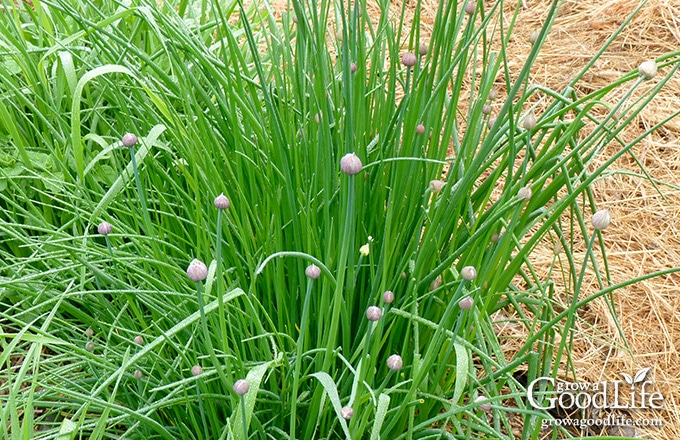
- Sunlight Requirements: Tolerate partial shade and grow well with 4–6 hours of direct sun. While flowering may be reduced in lower light, the foliage continues to produce flavorful leaves even in partially shaded areas.
- How to Grow: Start from seed, divisions, or nursery plants. Chives prefer well-drained soil enriched with compost. Established clumps can be divided every few years to keep plants vigorous and productive.
- Harvest: Snip outer leaves about 2 inches above the soil as needed, allowing the center to continue growing. Harvest blossoms when fully open for use in salads, infused vinegars, or as an edible garnish.
- Learn More: See How to Grow Chives to learn more.
Lovage
Lovage (Levisticum officinale) is a tall, long-lived perennial herb with bold green leaves and a flavor similar to celery. It can grow several feet high, making it a striking addition to the back of a partially shaded herb bed. The leaves, stems, and even seeds are edible and add depth to soups, stews, broths, and roasted dishes.

- Sunlight Requirements: Grows well in partial shade and appreciates protection from intense afternoon sun. While lovage tolerates 4–6 hours of direct sunlight, it remains productive in areas that receive bright, filtered light for much of the day.
- How to Grow: Start from seed or transplant young plants into rich, well-drained soil. Lovage develops a deep root system, so choose a permanent location where it can remain undisturbed for several years.
- Harvest: Cut outer stems as needed throughout the growing season. Younger leaves have the best flavor and can be used fresh or dried.
Sorrel
Sorrel (Rumex spp.) is a perennial leafy herb grown for its tender, lemony-flavored leaves. It produces bright green foliage early in the season and continues well into cooler weather. Young leaves add a fresh, tangy flavor to salads, soups, sauces, and egg dishes, and they can be lightly cooked much like spinach.

- Sunlight Requirements: Grows well in partial shade and benefits from protection during hot summer afternoons. Sorrel tolerates 3–6 hours of sun and often produces more tender leaves when grown in lightly shaded conditions.
- How to Grow: Sow seeds directly in the garden or plant divisions. Sorrel prefers loose, well-drained soil enriched with compost. Remove flower stalks as they appear to encourage continued leaf production.
- Harvest: Begin harvesting young leaves once the plant is several inches tall. Pick outer leaves regularly to keep plants productive throughout the season.
Bee Balm
Bee balm (Monarda didyma) is a showy perennial herb that adds both color and fragrance to a shady garden. Its vibrant blooms attract bees, butterflies, and hummingbirds, while the aromatic leaves offer a flavor reminiscent of mint with hints of oregano. The leaves and petals can be used fresh or dried in teas, salads, and savory dishes.

- Sunlight Requirements: Grows well in partial shade and benefits from good air circulation. Bee balm blooms most abundantly with 4–6 hours of sun but will tolerate dappled light and lightly shaded areas.
- How to Grow: Start from seed, divisions, or nursery plants. Bee balm prefers moderately rich, well-drained soil and consistent moisture. Space plants generously to improve airflow and reduce the risk of powdery mildew.
- Harvest: Harvest leaves before flowering for the strongest flavor. Petals can be picked when fully open and used fresh as a colorful edible garnish.
- Learn More: See How to Grow, Harvest, and Preserve Bee Balm.
Greek Oregano
Greek oregano (Origanum heracleoticum) is a hardy perennial herb known for its bold, earthy flavor. It is widely used in Mediterranean cooking and pairs well with roasted vegetables, grilled meats, tomato dishes, and soups. Oregano forms low-growing mounds and produces small white flowers that attract pollinators.
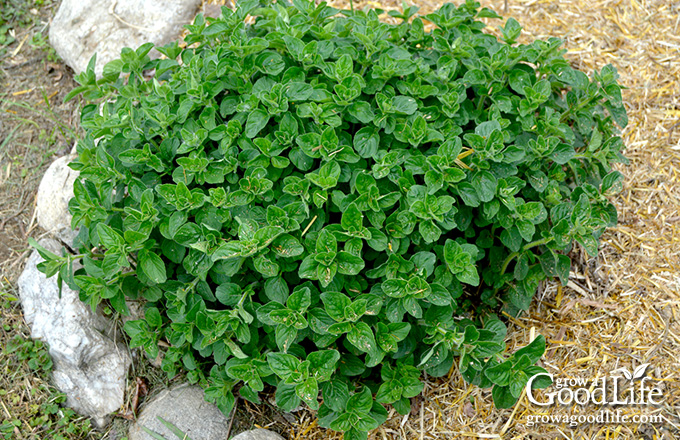
- Sunlight Requirements: Tolerates light partial shade but produces the strongest flavor and most compact growth in full sun. Provide at least 4–6 hours of direct sunlight for best results.
- How to Grow: Start from seed, divisions, or nursery plants. Oregano prefers well-drained soil and does not require rich fertility. Avoid overly moist conditions, especially in shaded areas.
- Harvest: Harvest stems before flowering for the most concentrated flavor. Cut regularly to encourage bushy growth.
- Learn More: See How to Grow Oregano.
French Tarragon
French tarragon (Artemisia dracunculus) is a perennial herb prized for its delicate, slightly sweet anise flavor. It is commonly used to season poultry, seafood, egg dishes, and sauces, and is a key ingredient in classic French cooking. The slender stems and narrow leaves add light texture to an herb garden.

- Sunlight Requirements: Tolerates light partial shade but develops the best flavor and strongest growth in full sun. Provide at least 4–6 hours of direct sunlight whenever possible.
- How to Grow: French tarragon does not grow true from seed and is best started from divisions or nursery plants. Plant in well-drained soil and avoid overly wet conditions, particularly in shaded areas.
- Harvest: Cut stems as needed throughout the growing season. For the best flavor, harvest before flowering and use fresh or dry for later use.
Thyme
Thyme (Thymus vulgaris) is a low-growing perennial herb with tiny, aromatic leaves and a savory, earthy flavor. It pairs well with roasted vegetables, poultry, soups, and stews, and is a staple in many kitchen herb gardens. Thyme forms woody stems over time and can also serve as a small groundcover in well-drained areas.

- Sunlight Requirements: Tolerates light shade but performs best in full sun. For the strongest flavor and compact growth, provide at least 4–6 hours of direct sunlight each day.
- How to Grow: Start from seed indoors or plant nursery transplants in well-drained soil. Thyme prefers slightly sandy soil and does not tolerate consistently wet conditions, especially in shaded areas.
- Harvest: Snip stems as needed throughout the growing season, leaving several inches of growth so the plant can continue producing. Harvest before flowering for the most concentrated flavor.
- Learn More: See How to Grow Thyme.
Best Annual Herbs for Shady Spots
Annual herbs complete their life cycle in one growing season, but grow quickly and are easy to tuck into open spaces between vegetables.
Cilantro (Coriander)
Cilantro (Coriandrum sativum) is a fast-growing annual herb prized for its fresh, citrusy leaves and aromatic seeds. The leaves are commonly used in Mexican, Asian, and Indian dishes, while the seeds (known as coriander) add warm, earthy flavor to pickled foods, soups, curries, and baked goods. Because cilantro prefers cooler conditions, it often benefits from partial shade, especially as temperatures begin to rise.

- Sunlight Requirements: Grows well with 3–6 hours of direct sunlight and appreciates partial shade in warmer climates. Afternoon shade can help slow bolting and extend the harvest.
- How to Grow: Direct sow seeds in well-drained soil enriched with compost. Cilantro does not transplant well, so it is best started where it will grow. Sow successively every few weeks for a continuous harvest.
- Harvest: Begin harvesting outer leaves once plants are several inches tall. Allow some plants to flower and set seed if you would like to harvest coriander.
- Learn More: See How to Grow Cilantro.
Chervil
Chervil (Anthriscus cerefolium), sometimes called French parsley, is a delicate annual herb with soft, fern-like foliage and a mild flavor reminiscent of parsley with a hint of anise. It is often used in French cooking and pairs well with eggs, poultry, fish, and fresh spring vegetables. Chervil prefers cool conditions and is especially well suited to partially shaded gardens.

- Sunlight Requirements: Thrives in partial shade and benefits from protection from direct afternoon sun. Chervil grows best with 3–4 hours of gentle sunlight or bright, filtered light throughout the day.
- How to Grow: Direct sow seeds in early spring in well-drained soil enriched with compost. Chervil grows quickly and does not transplant well, so plant it where it will mature. Succession sow every few weeks for a steady harvest.
- Harvest: Begin cutting outer leaves once plants are 4–6 inches tall. Harvest regularly to encourage continued growth and prevent early flowering.
Calendula
Calendula (Calendula officinalis), also known as pot marigold, is a hardy annual that produces cheerful yellow and orange blooms throughout the growing season. While often grown for its beauty, the petals are edible and add a mild, slightly peppery flavor and vibrant color to salads, soups, and herbal teas. Calendula also attracts pollinators, making it a welcome addition to both herb and vegetable gardens.

- Sunlight Requirements: Grows best with 4–6 hours of sun but tolerates partial shade. In warmer climates, light afternoon shade can help extend blooming through the summer months.
- How to Grow: Direct sow seeds in early spring after the soil can be worked. Calendula prefers well-drained soil and is not particularly fussy. Deadhead regularly to encourage continued flowering.
- Harvest: Pick flowers when fully open and use petals fresh or dried. Harvest regularly to promote more blooms.
Parsley
Parsley (Petroselinum crispum) is a versatile herb grown for its bright green leaves and fresh, slightly peppery flavor. It pairs well with meats, vegetables, soups, and sauces, and is often used both as a garnish and as a key ingredient. Although parsley is technically a biennial, it is most commonly grown as an annual in home gardens.
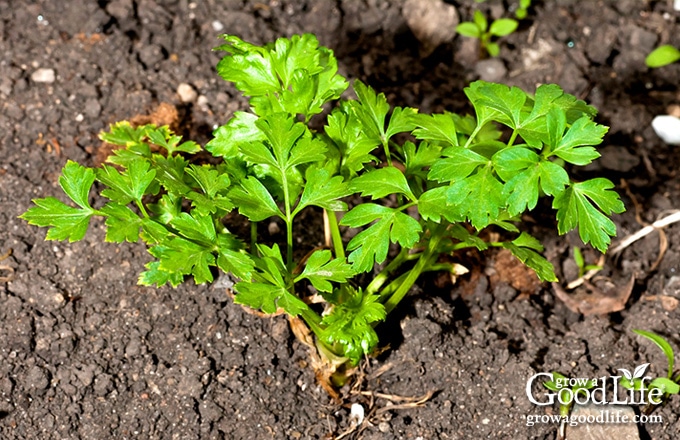
- Sunlight Requirements: Grows well in partial shade and tolerates 3–6 hours of direct sunlight. In warmer climates, light afternoon shade can help keep plants productive longer.
- How to Grow: Sow seeds directly in well-drained soil enriched with compost or transplant nursery starts. Parsley seeds can be slow to germinate, so keep soil consistently moist during the sprouting period.
- Harvest: Snip outer stems at the base of the plant to encourage continued growth. Harvest regularly to keep plants producing fresh leaves.
- Learn More: See How to Grow Parsley.
Dill
Dill (Anethum graveolens) is a fast-growing annual herb known for its feathery foliage and distinctive flavor. It is commonly used to season fish, soups, and especially pickles. Both the leaves (dill weed) and seeds are edible and highly aromatic.

- Sunlight Requirements: Prefers full sun but tolerates light partial shade. Dill grows best with at least 4–6 hours of direct sunlight. In warmer climates, light afternoon shade can help prevent early bolting.
- How to Grow: Direct sow seeds in well-drained soil enriched with compost. Dill develops a long taproot and does not transplant well, so plant it where it will mature. Sow successively for a steady harvest.
- Harvest: Harvest fresh leaves as needed once plants are several inches tall. Allow some plants to flower and set seed for pickling or for reseeding the garden.
- Learn More: See How to Grow Dill.
Tips for Growing Herbs in Partial Shade
Growing herbs in partial shade is slightly different than growing them in full sun, but with a few adjustments, your plants can thrive.
- Improve the Soil: Shady areas, especially beneath trees, can have compacted or nutrient-poor soil. Work in finished compost before planting to improve drainage and provide steady nutrition.
- Ensure Good Drainage: Because shaded areas often stay moist longer, avoid heavy or waterlogged soil. Many herbs (especially Mediterranean varieties like thyme and oregano) prefer well-drained conditions.
- Harvest Regularly: Frequent harvesting encourages bushier growth and prevents plants from becoming leggy as they stretch toward the light.
- Expect Slightly Milder Flavor: Herbs grown in lower light conditions may produce softer growth and slightly less concentrated flavor, but they are still useful and productive in the kitchen.
- Watch for Air Circulation: Reduced sunlight can increase humidity around plants. Space herbs properly and trim as needed to improve airflow and reduce disease risk.
With thoughtful placement and regular care, even a partially shaded garden can provide a steady supply of fresh herbs throughout the growing season.
Frequently Asked Questions About Growing Herbs in Shade
Do herbs grow in shade?
Some herbs grow well in partial shade, but very few thrive in full shade. Most culinary herbs need at least 3–6 hours of direct sunlight each day. Leafy herbs such as mint, lemon balm, chives, and parsley tend to tolerate lower light conditions better than woody Mediterranean herbs.
What herbs grow best in shade?
The best herbs for partial shade are those grown primarily for their leaves. Mint, lemon balm, chives, sorrel, cilantro, and chervil are among the most reliable options. These herbs often benefit from protection from intense afternoon sun, especially in warmer climates.
Can thyme grow in shade?
Thyme can tolerate light partial shade, but it performs best in full sun. In lower light conditions, thyme may grow more slowly and produce milder flavor. For the strongest growth and aroma, aim for at least 4–6 hours of direct sunlight.
Will sage grow in shade?
Common garden sage prefers full sun and does not perform well in shade. While it may survive in lightly shaded areas, growth and flavor will be reduced. Sage is best planted in a bright location with well-drained soil.
Can herbs grow in full shade?
Very few culinary herbs thrive in full shade, defined as less than 2 hours of direct sunlight per day. If your garden receives only limited light, look for areas with dappled sunlight or morning sun to improve success.
What are low light herbs?
Herbs often described as “low light” are those that tolerate partial shade rather than deep shade. Mint, lemon balm, parsley, chives, and sorrel are among the most adaptable in lower light conditions.
Make the Most of Your Shady Garden Spaces
Shady areas in the garden don’t have to sit empty. With the right choices, partial shade can become a productive space filled with fragrant foliage, colorful blooms, and fresh flavor for your kitchen.
While most culinary herbs prefer some sun, many tolerate partial shade surprisingly well. Leafy herbs, in particular, often appreciate protection from intense summer heat and can remain tender and productive longer in lightly shaded spots. Many of these shade-tolerant herbs, such as mint, lemon balm, and bee balm, are also excellent choices for an herbal tea garden.
Don’t be afraid to experiment. If a plant isn’t thriving, try moving it to a slightly brighter location or adjusting the soil and spacing. Gardening is often a matter of observation and small adjustments.
And if you’re planning to expand beyond herbs, be sure to explore my guide to 30+ Vegetables That Grow in Shade. Combining shade-tolerant herbs and vegetables is a simple way to make every corner of your garden work for you.
Even in a garden that isn’t blessed with full sun all day, you can still grow an abundant and flavorful harvest.
Good planning is key to a successful vegetable garden
Whether you are new to growing your own food or have been growing a vegetable garden for years, you will benefit from some planning each year. You will find everything you need to organize and plan your vegetable garden in my PDF eBook, Grow a Good Life Guide to Planning Your Vegetable Garden.

I’m getting ready to plant some chives and parsley – super excited!! Thanks for all of this great information!
I went with your list in hand to the Baker Creek Planting Festival a few weeks ago and just got my shade loving herbs in this weekend before the storms. Thank you!!