
Ways to Preserve Green Beans: Canning, Freezing, Pickling, and Drying
This post may contain affiliate links, which means that I may receive a commission if you make a purchase using these links. As an Amazon Associate I earn from qualifying purchases.
Learn how to preserve green beans by pressure canning, freezing, pickling, or dehydrating, with practical tips for storing and making the most of an abundant garden harvest.

Green beans are one of those garden vegetables that seem to go from a few handfuls for dinner to an overflowing harvest almost overnight. Once the plants really begin producing, it can be difficult to keep up.
I usually grow both bush beans and pole beans in my garden. The bush beans start producing first, and those early harvests are easy to enjoy fresh with meals. I also succession plant bush beans every few weeks to keep new plants coming along and extend the harvest through summer.
Then the pole beans begin producing, and that is when preserving becomes part of my regular garden routine.
Canning string beans is my favorite way to preserve them. I love having jars on the pantry shelves that I can simply open, heat, and season with a little salt and butter for an easy vegetable side dish.
But pressure canning isn’t the only option. Green beans can also be frozen, pickled, or dehydrated, and each method has advantages depending on how you plan to use them later.
If your garden is producing more string beans than you can eat fresh, here are several ways to preserve green beans so you can enjoy the abundance later.
What Are Green Beans?
When we talk about green beans, we mean the young, tender pods of bean plants harvested before the seeds inside fully mature.

Despite the name, the pods don’t have to be green. Depending on the variety, snap beans may be green, yellow, purple, streaked, or speckled. You may also hear them called string beans, snap beans, or wax beans.
The preservation methods in this article can be used for tender snap beans of different colors and varieties, whether you are pressure canning, freezing, pickling, or dehydrating them.
Harvest Green Beans While They Are Young and Tender
For the best quality, harvest green beans while the pods are still young, crisp, and tender.

Pick the plants frequently once they begin producing. Regular harvesting encourages the plants to continue developing new pods and also helps you catch the beans before they become tough and stringy.
Pole beans especially can be surprisingly good at hiding among the foliage. During peak production, I try to harvest them every morning.
If you are still planning your garden or want tips for growing a productive crop, see How to Grow Beans for advice on planting, caring for, and harvesting bush and pole beans.
How to Store Fresh Green Beans Until You Have Enough to Preserve
You don’t always harvest enough beans at one time to fill the pressure canner, make a batch of pickles, or pull out the blanching pot and freezer supplies.
Freshly harvested string beans can be refrigerated for several days while you accumulate enough to preserve. You can place unwashed beans in a zipper bag or other container in the refrigerator, then wash them just before using or preserving.
Personally, I prefer to wash my beans shortly after harvesting them. I rinse them well, spread them out to air dry completely, and then place them in a closed zipper bag with a paper towel before storing them in the fridge.
During peak pole bean season, this becomes part of my morning routine: Harvest, wash, dry, refrigerate, and repeat the next day. Once I have enough for a batch of canned green beans, they are already clean and ready for me to start snapping or cutting.
Whichever approach you choose, avoid packing wet beans into the refrigerator. Excess moisture can encourage spoilage.
Ways to Preserve an Abundance of Green Beans
Once the harvest starts coming in faster than you can eat it, the best preservation method depends largely on how you want to use the beans later.
I preserve most of my crop by pressure canning because that gives me the type of green beans we enjoy most as a simple side dish. Smaller harvests may go into the freezer, and I like making dilly beans when I have plenty of extra tender pods. I’ve also dehydrated green beans and found them especially useful for adding to soups.
You don’t have to choose just one method. Preserving green beans several different ways can give you more options for using the harvest throughout the year.
Pressure Can Green Beans
Pressure canning is my favorite way to preserve string beans.

I usually cut the beans into pieces and can them in pint jars. Once processed and stored on the pantry shelves, they are incredibly convenient. When I need a quick vegetable for dinner, I can open a jar, warm the beans, and season them simply with a little butter and salt. There is no thawing or lengthy preparation required.
Plain green beans are a low-acid food, so they must be processed in a pressure canner. My complete tutorial walks you through preparing the beans, packing the jars, and pressure canning safely.
Learn how: Pressure Canning Green Beans
If you are new to pressure canning, see Pressure Canning for Beginners to learn how the process works and what equipment you need.
Pressure canning is a particularly good choice if you:
- Want shelf-stable green beans that don’t take up freezer space.
- Like soft, traditional canned green beans as a side dish.
- Want jars that can be opened and heated quickly for meals.
- Have a larger harvest to preserve at one time.
Freeze Green Beans
Freezing is one of the easiest ways to deal with smaller amounts of extra string beans.
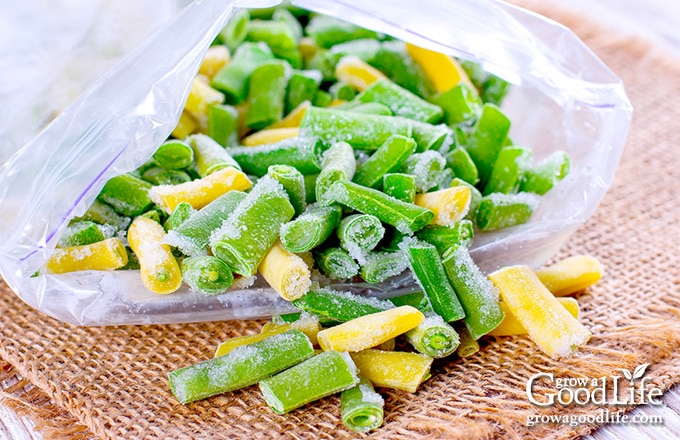
Frozen green beans aren’t my favorite when I want a simple cooked green bean side dish because freezing changes their texture. However, they are very handy for recipes where the beans will be cooked along with other ingredients.
I especially like using frozen green beans in soups, stews, casseroles, and stir-fries.
Freezing is also useful when the garden gives you more beans than you can eat but not quite enough to run a full canner load.
I blanch my green beans before freezing them to help preserve their color, flavor, and texture. If you are wondering whether that step can be skipped, I cover the question in more detail in my complete freezing guide.
Learn how: How to Freeze String Beans
Freezing may be the best choice if you:
- Have only a small amount to preserve at one time.
- Don’t want to pull out the pressure canner.
- Plan to use the beans in soups, casseroles, stir-fries, or other cooked dishes.
- Have plenty of freezer space available.
Make Pickled Dilly Beans
Pickling is another delicious way to preserve tender green beans, especially if you enjoy tangy pickled vegetables.
Instead of cutting the beans into smaller pieces as I do for pressure canning, I leave them whole for dilly beans and trim them to fit neatly into the jars.

Dilly beans have a completely different character from plain canned green beans. The vinegar brine, dill, garlic, and seasonings turn them into a tangy pickle that can be eaten straight from the jar or served alongside meals.
They are especially good as a snack, alongside sandwiches, on appetizer or snack boards, with burgers and grilled meals, or anywhere you would normally serve a pickle.
Because pickled green beans are preserved using a tested acidified recipe, they can be safely processed in a boiling-water canner when you follow the recipe as written.
Try this recipe: Pickled Dilly Beans
Pickling is a great choice if you want to turn part of your harvest into something completely different instead of filling the pantry with jars of plain beans.
Dehydrate Green Beans
Green beans can also be dehydrated for shelf-stable storage. I’ve dried green beans before and found them especially useful for adding to soups.
To prepare green beans for dehydrating, wash and trim the beans, cut them into pieces, blanch them, cool and drain well, and then arrange them on dehydrator trays in a single layer.
Dry until the pieces are completely dry and brittle before cooling and packaging them in airtight containers.
Dried green beans are especially useful for soups, stews, casseroles, long-term pantry storage, and saving freezer space. You can rehydrate them before cooking or add them to recipes with enough liquid and cooking time for them to soften.
Because I don’t currently have a separate green bean dehydrating tutorial, here are a few general tips to keep in mind:
- Start with fresh, tender beans for the best finished quality.
- Cut the beans into fairly uniform pieces so they dry evenly.
- Blanch before dehydrating by filling a large bowl with ice water and bringing a large pot of water to a boil. Add the beans and boil for about 3 minutes. Remove them with a slotted spoon stop the cooking process by tossing them into the ice bath. Drain well and dry thoroughly before dehydrating.
- Arrange the pieces in a single layer so air can circulate around them.
- Continue drying until the beans are completely dry and brittle.
- Cool completely before packaging.
- Store dried beans in airtight containers in a cool, dark location.
- Check the containers during the first several days of storage for signs of condensation. If moisture appears, return the beans to the dehydrator and dry them further.
Dehydrating may be especially appealing if pantry space is plentiful but freezer space is limited.
Which Green Bean Preservation Method Should You Choose?
You don’t have to preserve your entire harvest the same way. In fact, using several methods can make the beans much more useful throughout the year.
Choose the method based on how you expect to use them later:
- Pressure can green beans if you want shelf-stable jars that can be heated and served quickly as a vegetable side dish.
- Freeze green beans if you have smaller harvests and plan to use the beans mostly in soups, casseroles, stir-fries, and other cooked dishes.
- Pickle green beans if you enjoy tangy vegetables for snacking or serving alongside meals.
- Dehydrate green beans if you want lightweight, shelf-stable beans for soups and stews without using freezer space.
For me, pressure canning gets first priority. Once I have enough jars on the shelves, I can use smaller harvests for dilly beans, freezing, or dehydrating.
There is no reason you can’t do the same. A productive garden can provide several different types of preserved green beans for your pantry and freezer.
What to Do With Green Beans That Get Too Large
Even with frequent picking, a few beans always seem to hide among the leaves until they are much larger than you intended.
If the pods are still tender, you may be able to trim and use them normally. Once the pods become noticeably tough or fibrous and the seeds inside begin to swell, they are past their best stage for preserving as tender green beans.
At that point, I would rather let selected pods continue maturing on the plant than try to preserve them as snap beans. This is especially useful toward the end of the pole bean harvest when I begin thinking about seed for next year’s garden.
Save Some Beans for Next Year’s Garden
Once I have canned enough green beans for our storage shelves, I stop harvesting some of my pole beans and allow the pods to remain on the plants.
Instead of picking them while they are young and tender, I let the pods mature so the seeds inside can fully develop. Those mature seeds can be saved for planting the following year, as long as you are growing a variety suitable for seed saving.

It feels like a natural ending to the green bean season. We enjoy the early harvests fresh, preserve the abundance for winter, and then leave some of the final beans on the plants to provide seed for next year’s garden.
If you would like to try this too, see How to Save Bean Seeds to Plant Next Year.
Tips for Keeping Up With a Heavy Green Bean Harvest
Once green beans begin producing heavily, regular harvesting is the easiest way to keep them from getting away from you.
Here are a few things that help me manage the harvest:
- Pick frequently: Pole beans may need harvesting every day during peak production.
- Use the early harvests fresh: A few handfuls are perfect for meals before the plants begin producing heavily.
- Refrigerate small harvests: Store beans for several days until you have enough for the preservation method you want to use.
- Preserve in different ways: Not every bean needs to go into the pressure canner.
- Succession plant bush beans: Sowing another small crop every few weeks can spread the harvest over a longer period and keep fresh beans coming throughout summer. See Succession Planting Tips to Maximize Your Harvest for more ways to stagger plantings through the season.
- Stop harvesting selected pole beans late in the season: Allow those pods to mature if you want to save seeds for next year.
The goal isn’t necessarily to preserve every bean the same way. It is to find a rhythm that keeps the harvest manageable and gives you the types of preserved beans your household will actually use.
Frequently Asked Questions About Preserving Green Beans
Here are a few quick answers to common questions about preserving green beans, from storing freshly harvested pods to choosing the best method for your harvest and how you plan to use the beans later.
Make the Most of Your Green Bean Harvest
A productive patch of green beans can provide far more than fresh beans for summer meals.
Preserving the harvest in several different ways lets you match the method to how you actually use green beans in your kitchen. Pressure can some for easy vegetable side dishes, freeze a few bags for cooking, make a batch of tangy dilly beans, or dehydrate some for soups and stews.
And when you’ve preserved enough for the year, you can even let a few of those final pods mature for next season’s seed.
Whether your garden gives you a few extra handfuls or more beans than you know what to do with, preserving the abundance lets you enjoy more of your homegrown harvest long after the garden season ends.

hi..right in the middle of canning.i make jars of what i call FRENCH BEANS using the larger beans…perfect to warm up for a meal
Hi Martha! That sounds like such a handy way to have green beans ready for a meal. When you say “French Beans,” do you mean that you slice the beans lengthwise, French-style? I remember my grandmother preparing beans that way, too! Just as a note for anyone reading along, current tested home-canning directions recommend leaving green beans whole or cutting/snapping them into 1-inch pieces rather than French-cutting them. French-style beans are a great option for freezing, though. Thanks for sharing what you’re putting up this season!